Knowledge Path01
How Agriculture Began
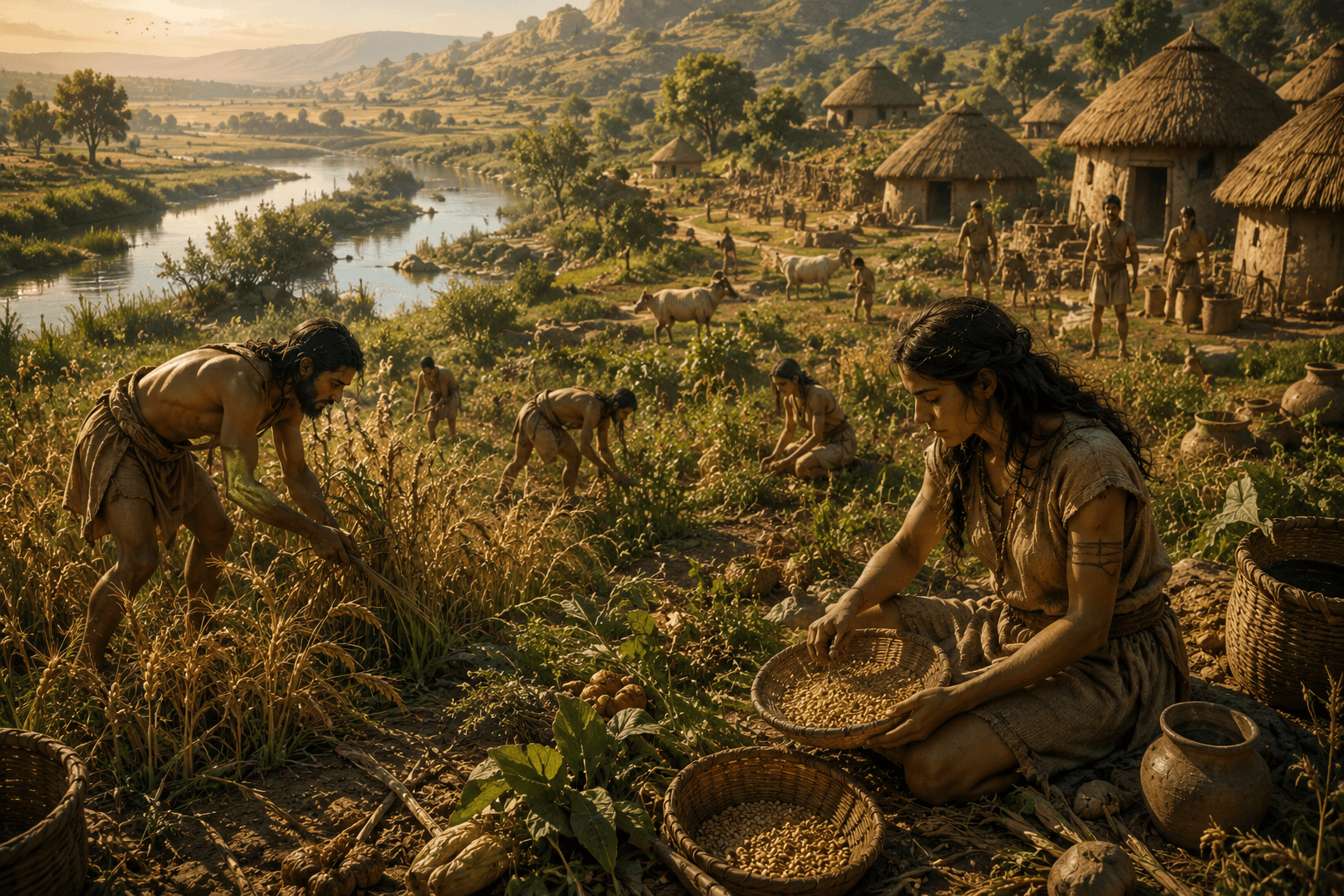
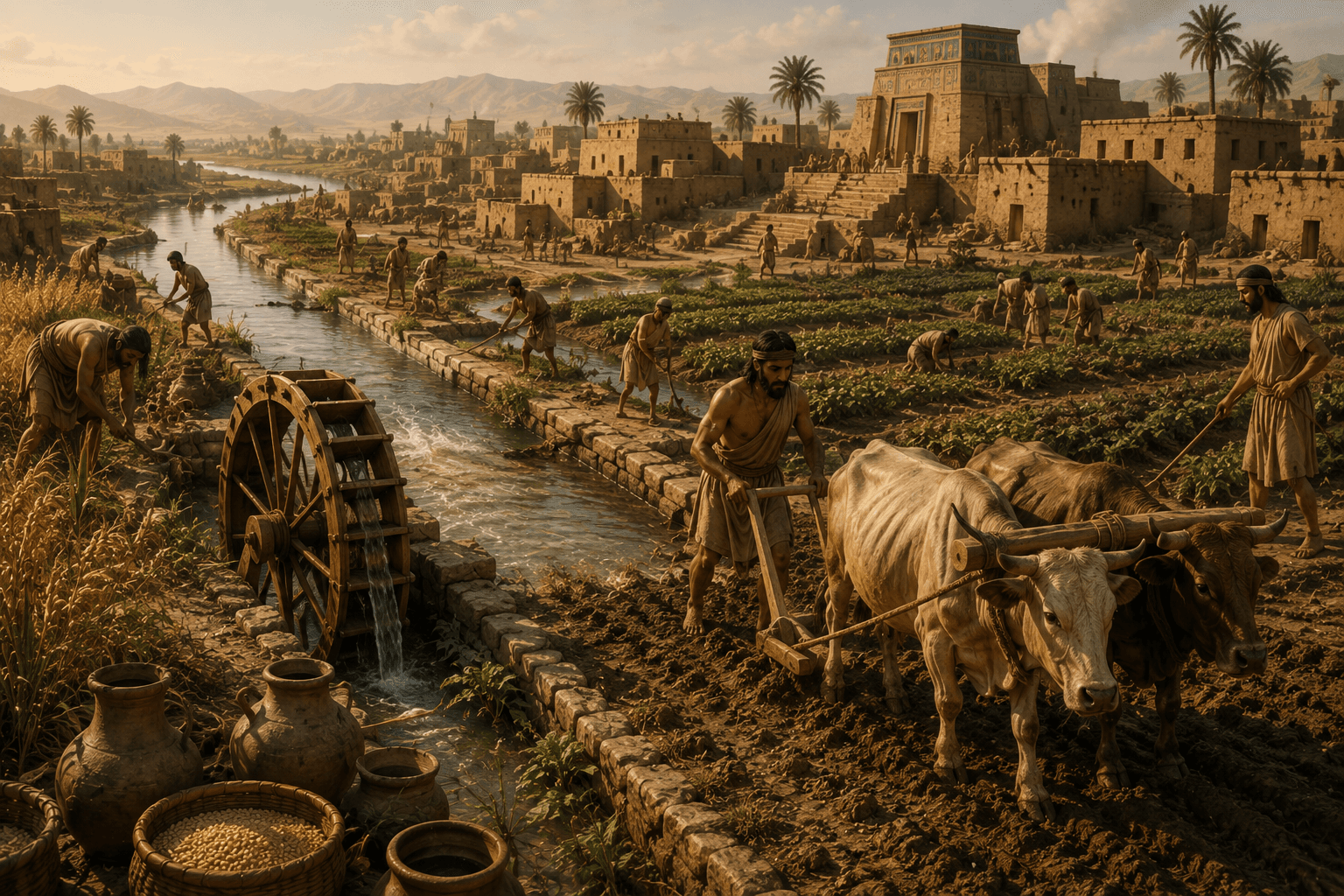
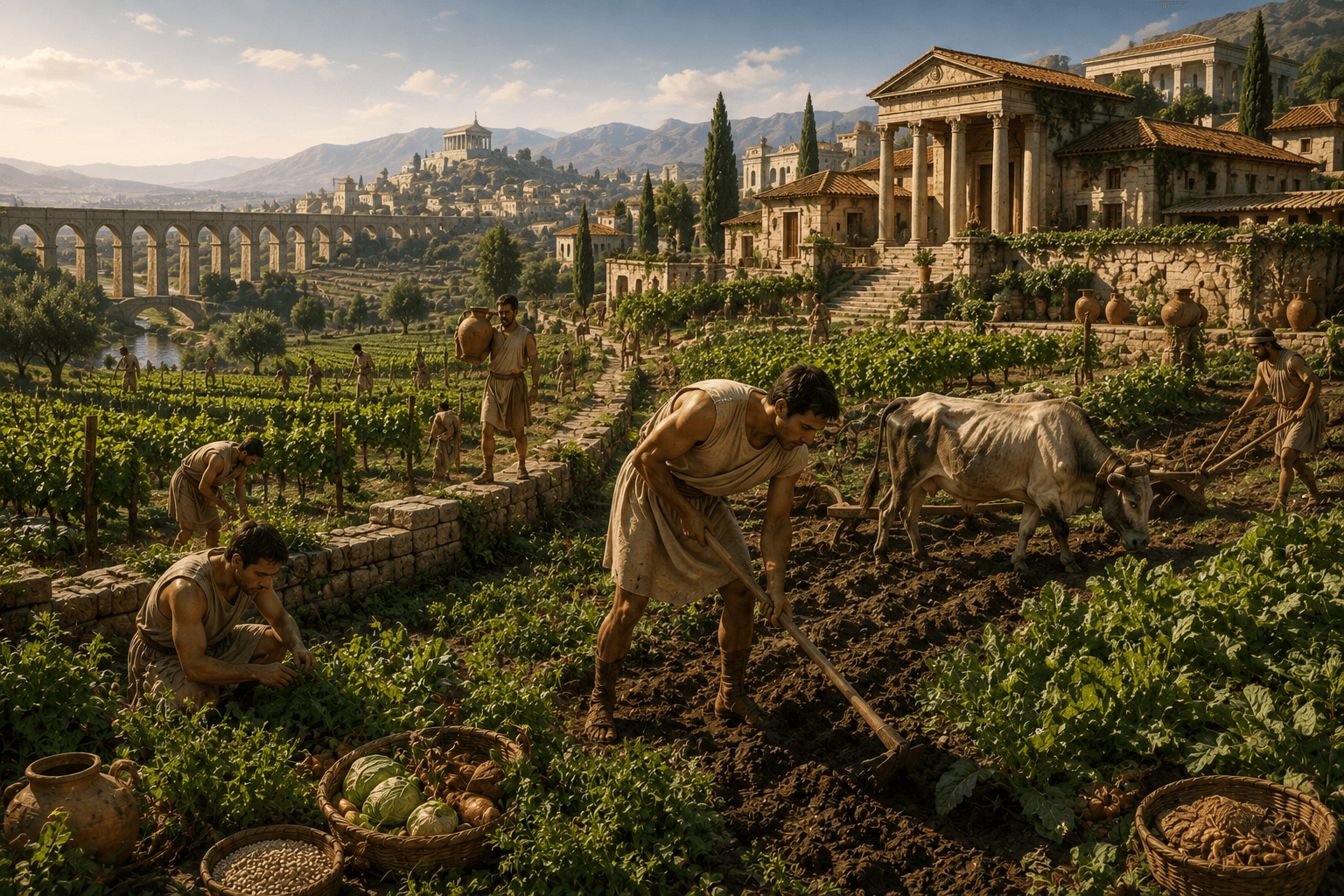
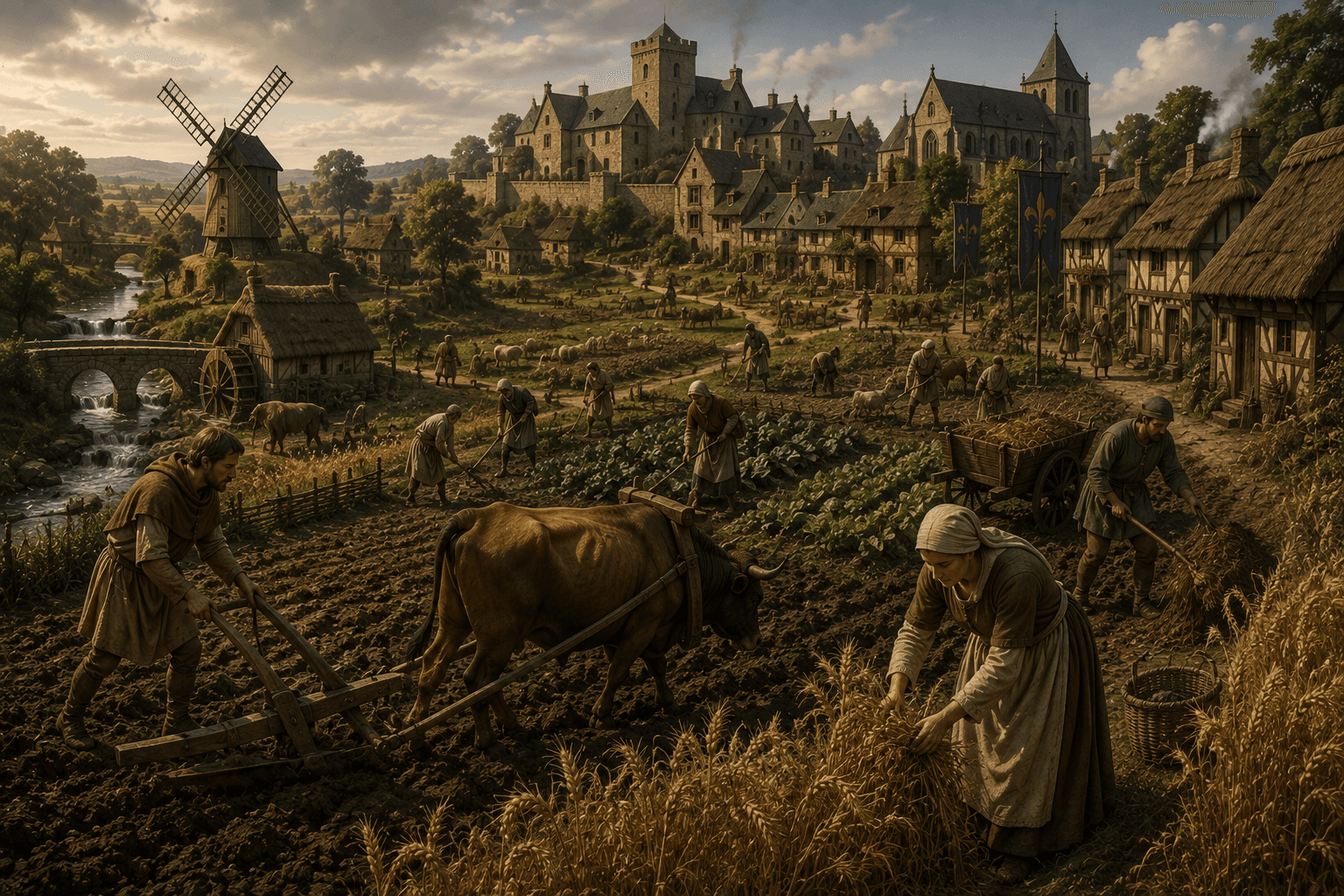
Follow the transition from mobile hunter-gatherers to permanent agricultural civilization.
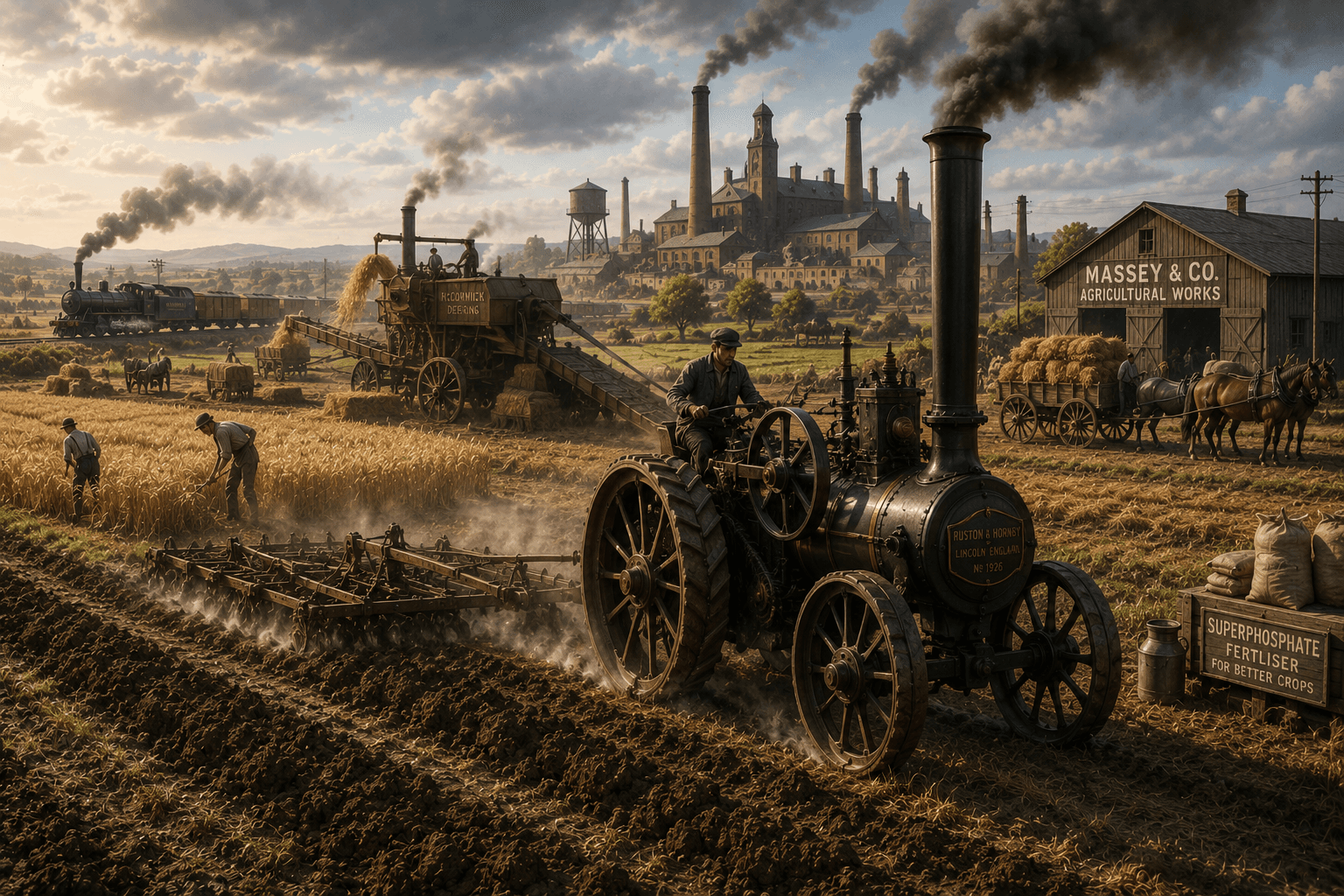
Hunter-Gatherers01
Domestication02
First Crops03
Permanent Settlements04
Irrigation05
Agricultural Civilization06
From the first cultivated fields to modern precision agriculture, Mihrath documents the knowledge, systems, landscapes, and traditions that have shaped how humanity cultivates life.
Discover every dimension of agriculture across all sixteen foundational pillars.
The foundation of life
Atmosphere, weather & agroclimatology

Irrigation & water management
Cultivation & crop science
Animals & husbandry
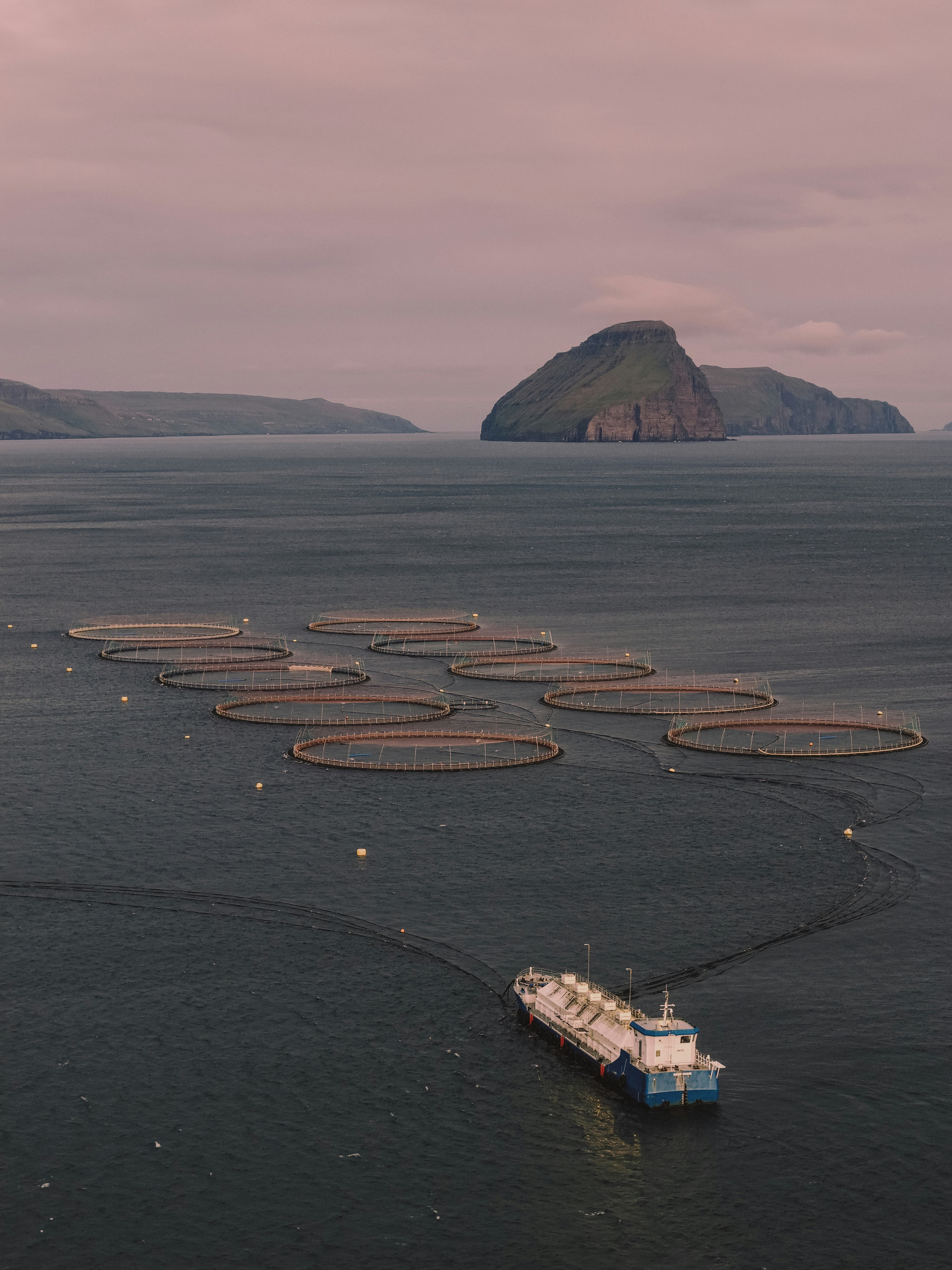
Fish, shellfish & aquatic farming

Trees, forests & agroforestry
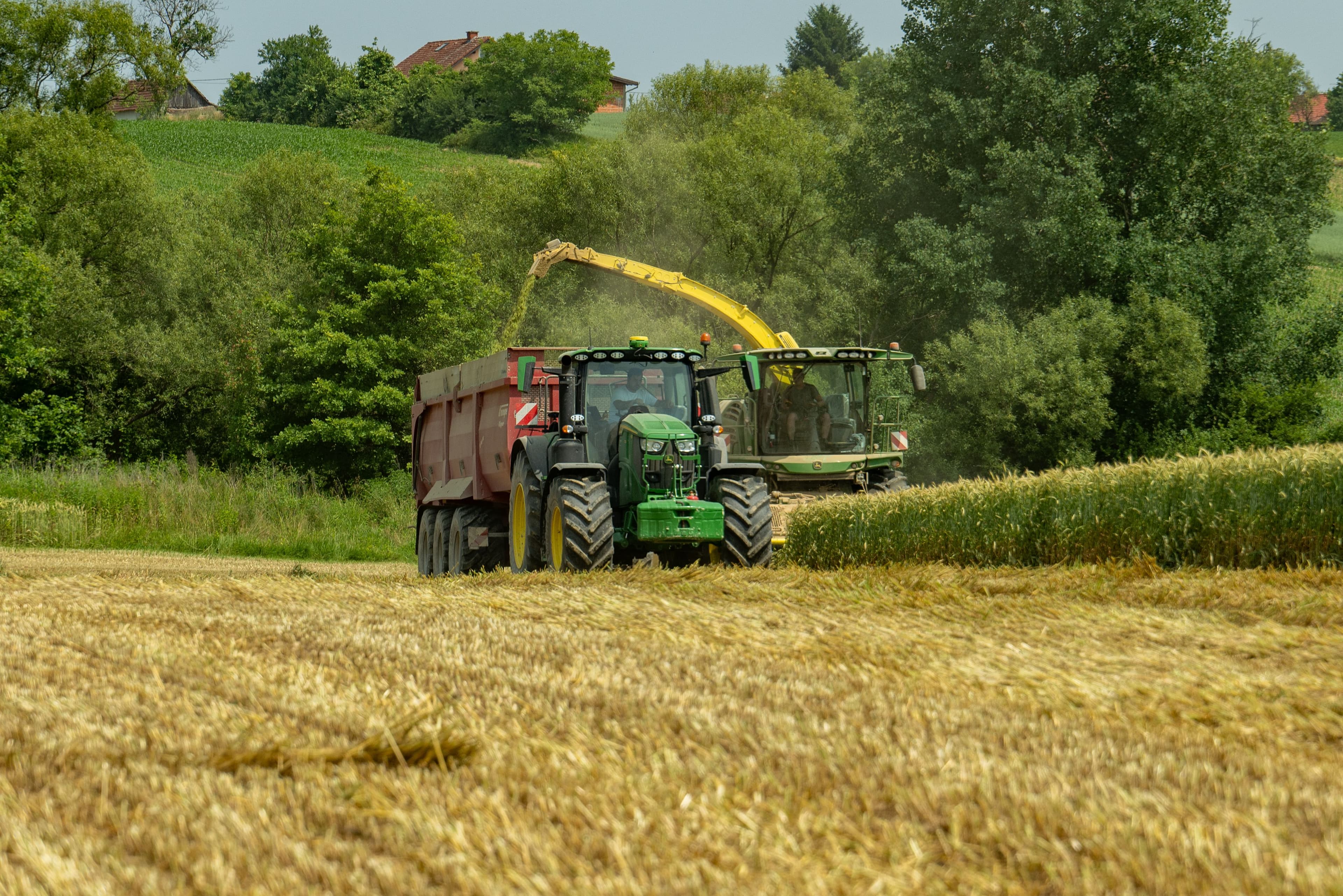
From hand tools to autonomous machines
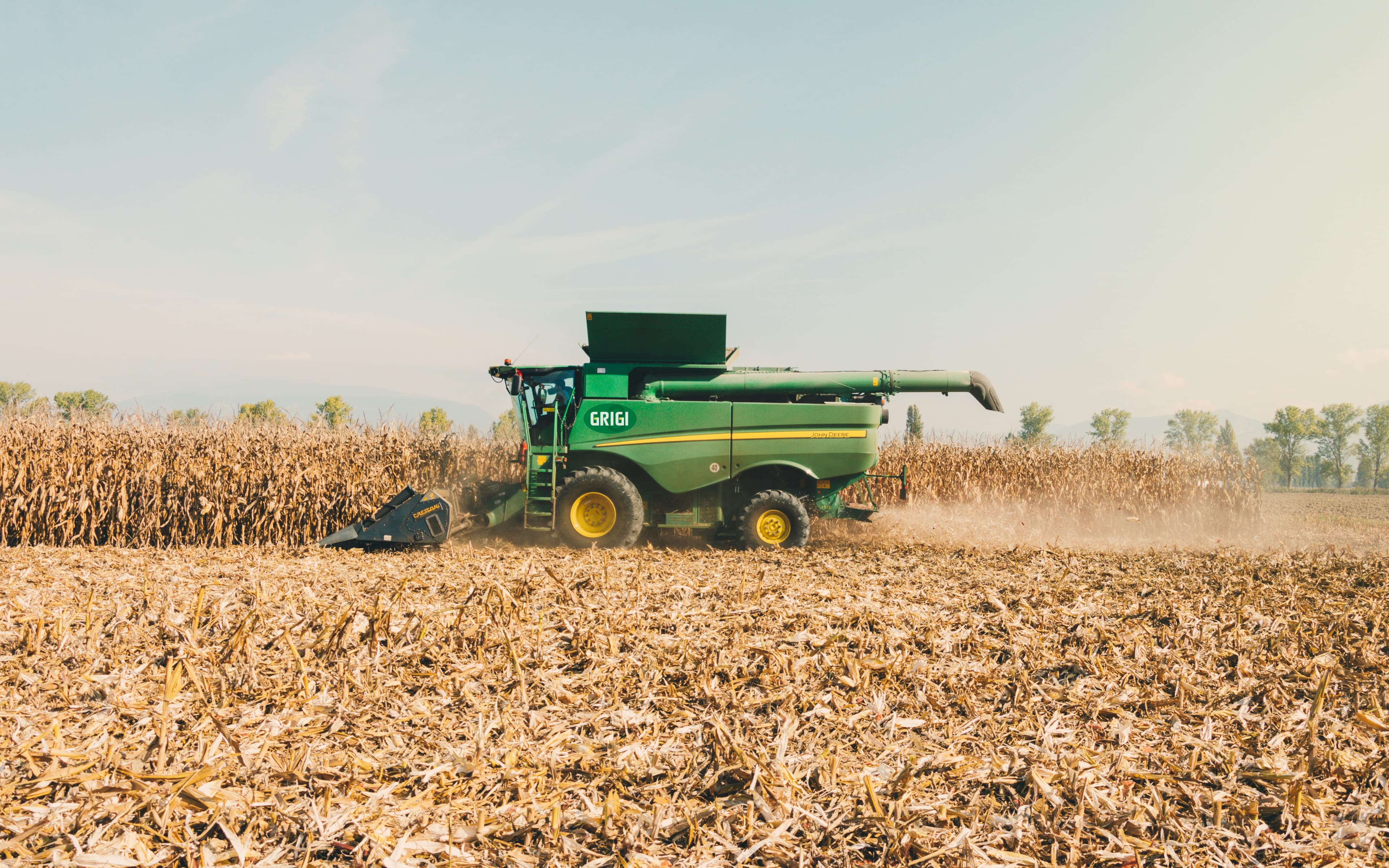
Preservation, storage & the cold chain
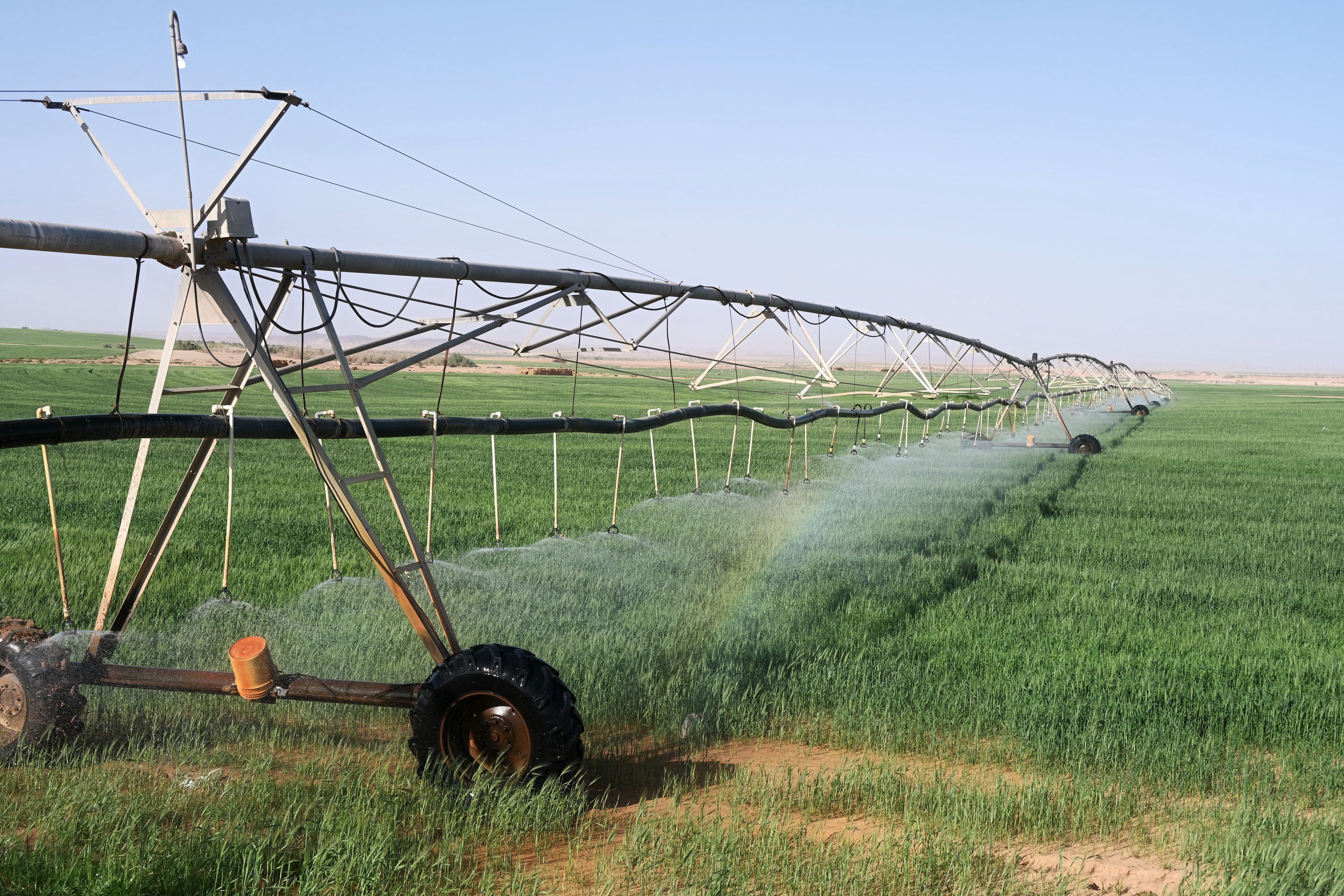
Traditional to modern systems

Cities as cultivation sites, ancient to present

Protection & integrated management
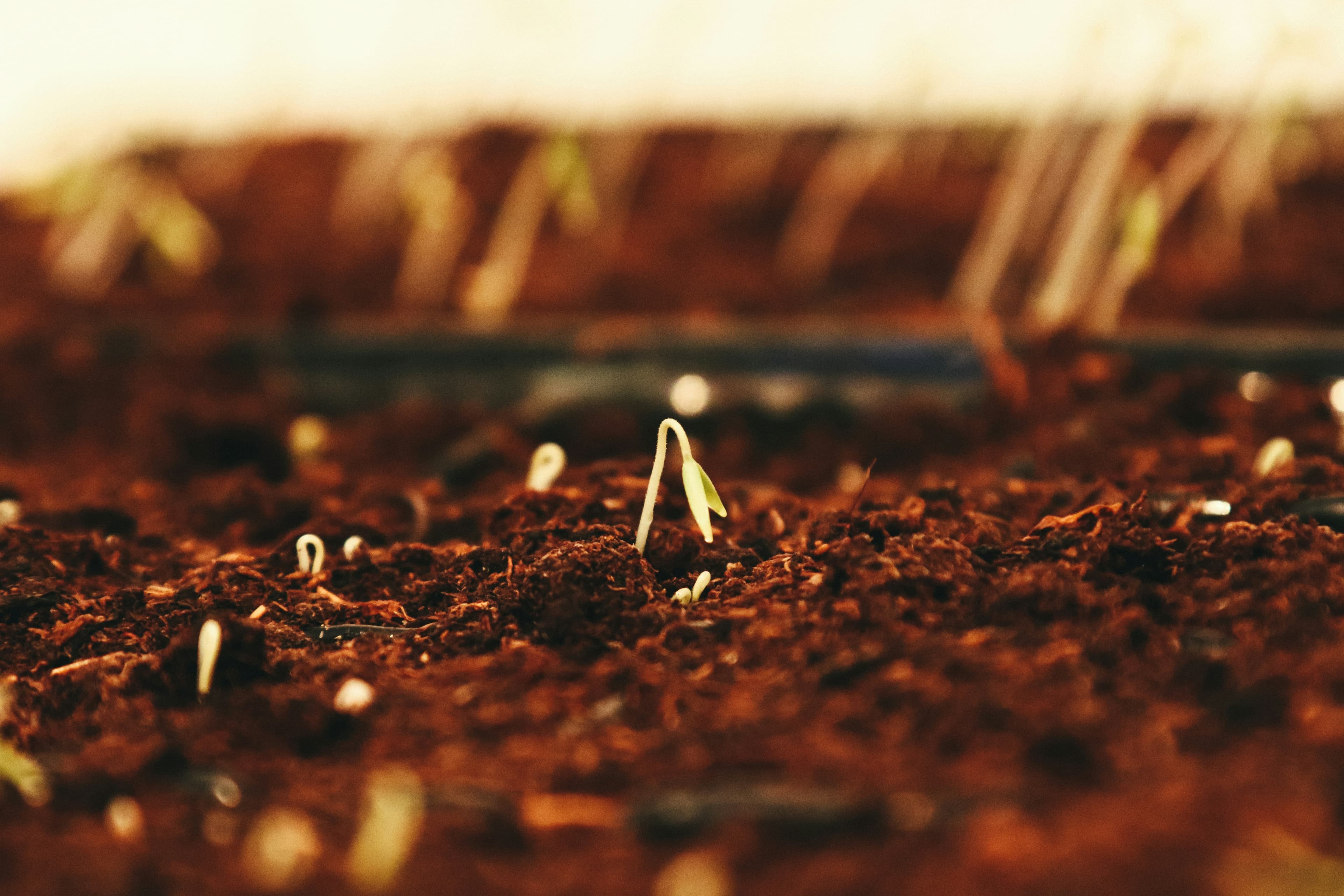
Germplasm, landraces & seed banks
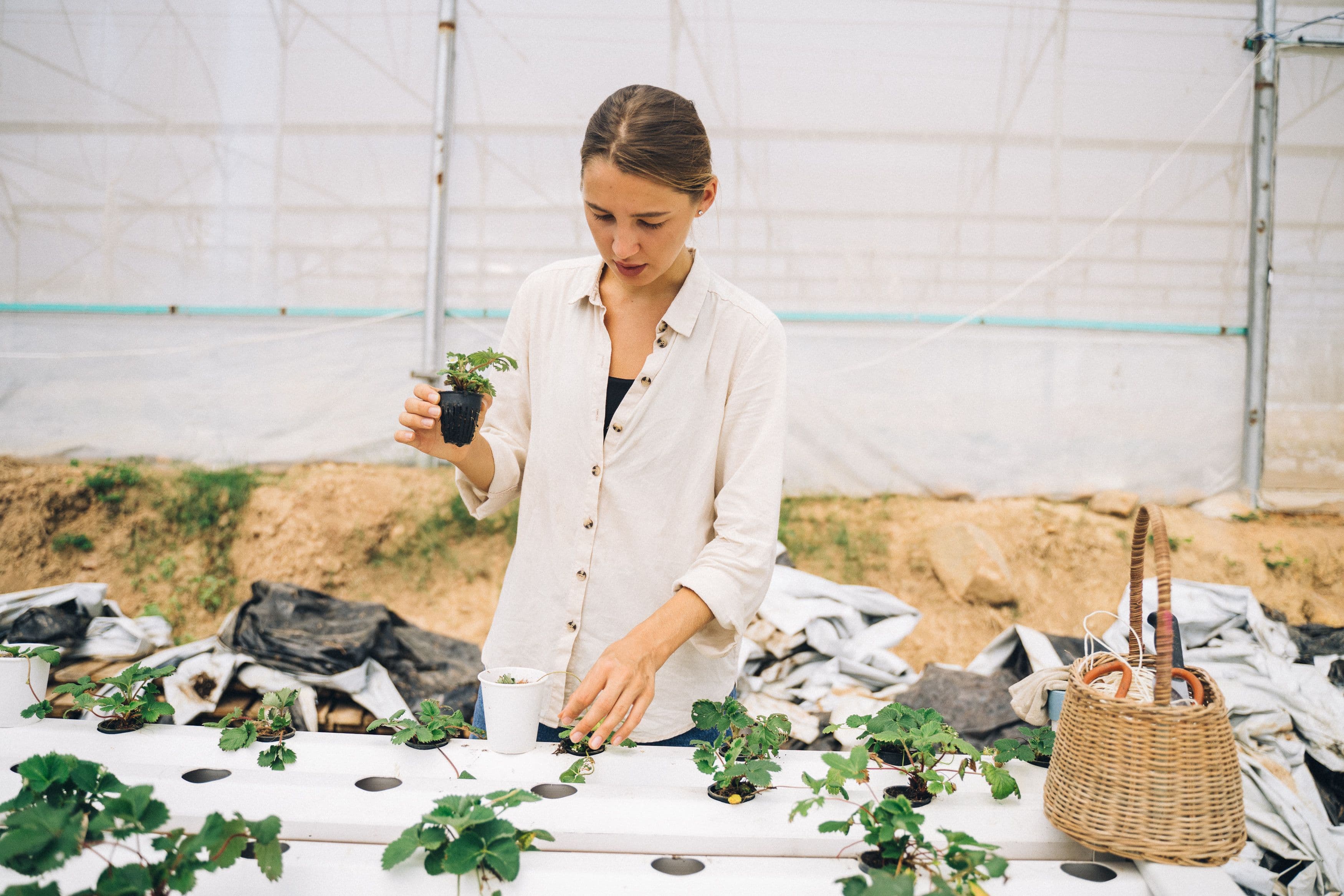
Research, genetics & breeding
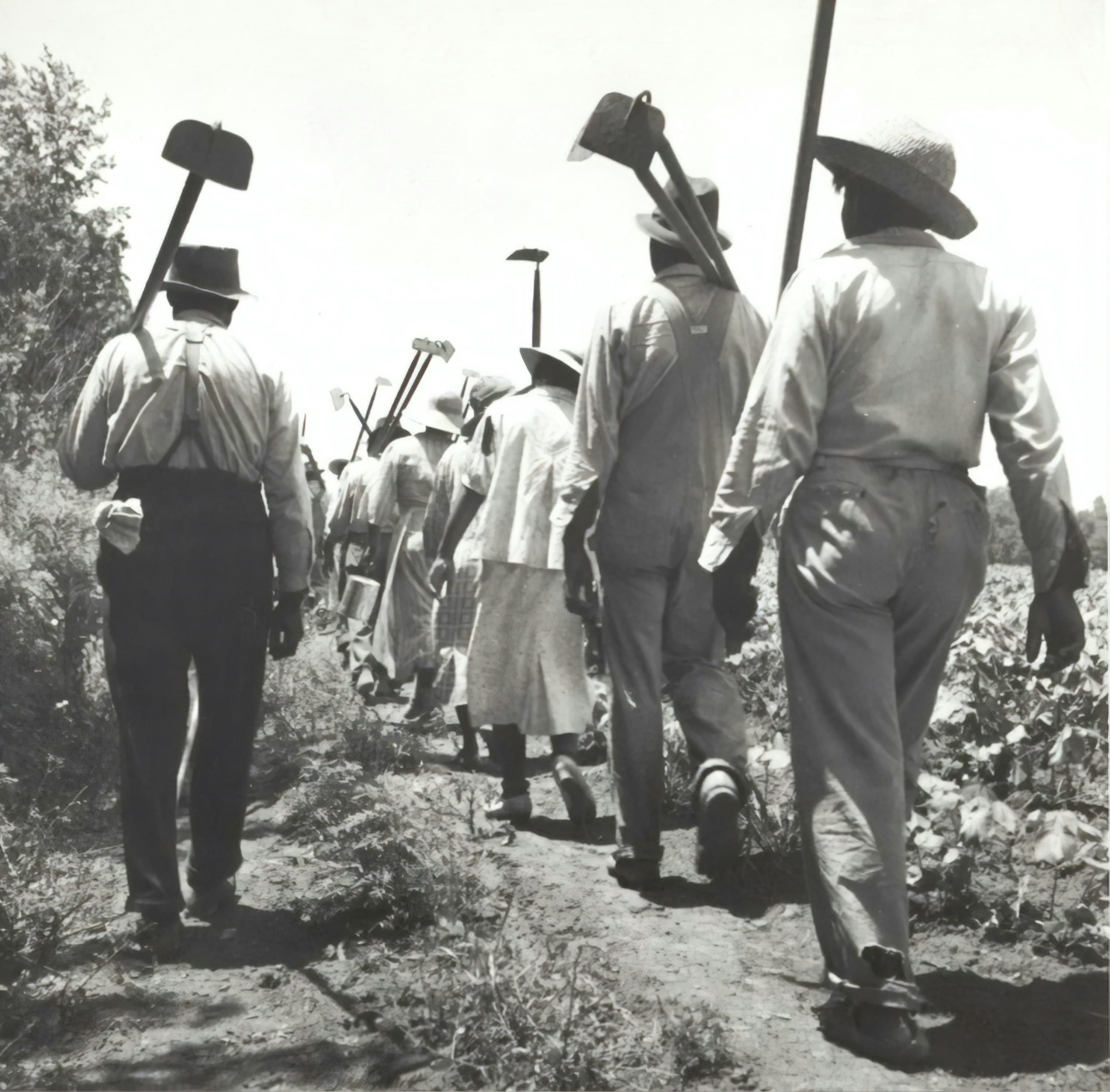
Labor, land tenure & rural life

Markets, food systems & policy
Ten thousand years of cultivation, innovation, and civilization.
Explore the foundations of agricultural knowledge, curated by our editorial board.
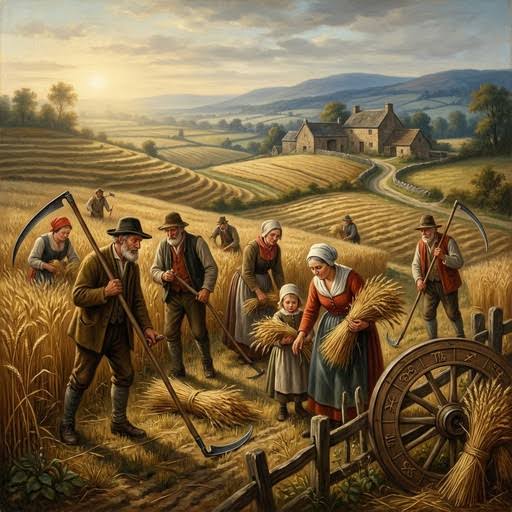
A revolutionary Medieval European crop rotation method that integrated nitrogen-fixing legumes, fundamentally increasing land productivity and fueling a massive population boom.
Masterpieces of ancient hydrological engineering: subterranean aqueducts developed in Persia to transport water across arid desert basins with zero evaporative loss.
A foundational cereal grain originally domesticated from wild teosinte grass in Mesoamerica, now serving as a global cornerstone for human sustenance and agricultural economies.
Advanced genomic editing utilizing CRISPR-Cas9 to induce drought resistance and thermal tolerance in foundational global crops, redefining food security in the Anthropocene.
Explore how people have cultivated the Earth across regions, climates, and civilizations.
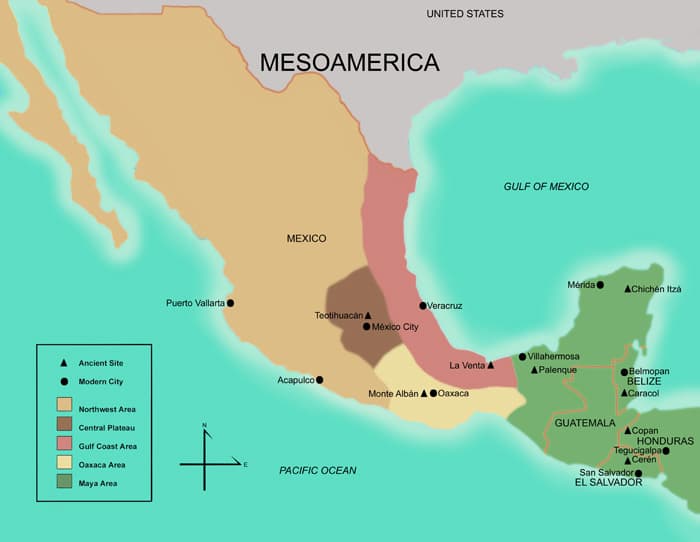
One of the world's primary independent cradles of agriculture. Birthplace of maize, beans, squash, and the Milpa system.
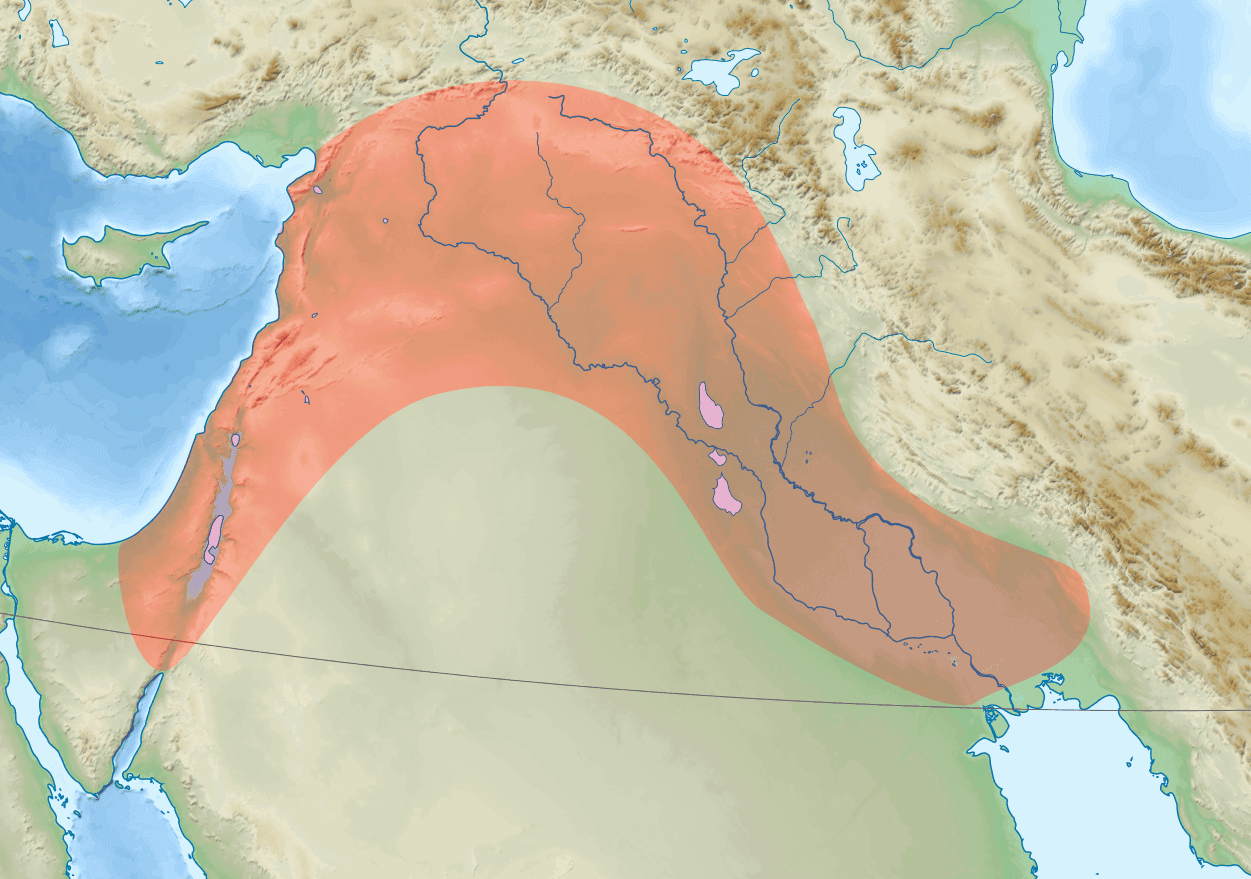
The arc of land in the Middle East where humanity first domesticated wheat, barley, and the earliest livestock.
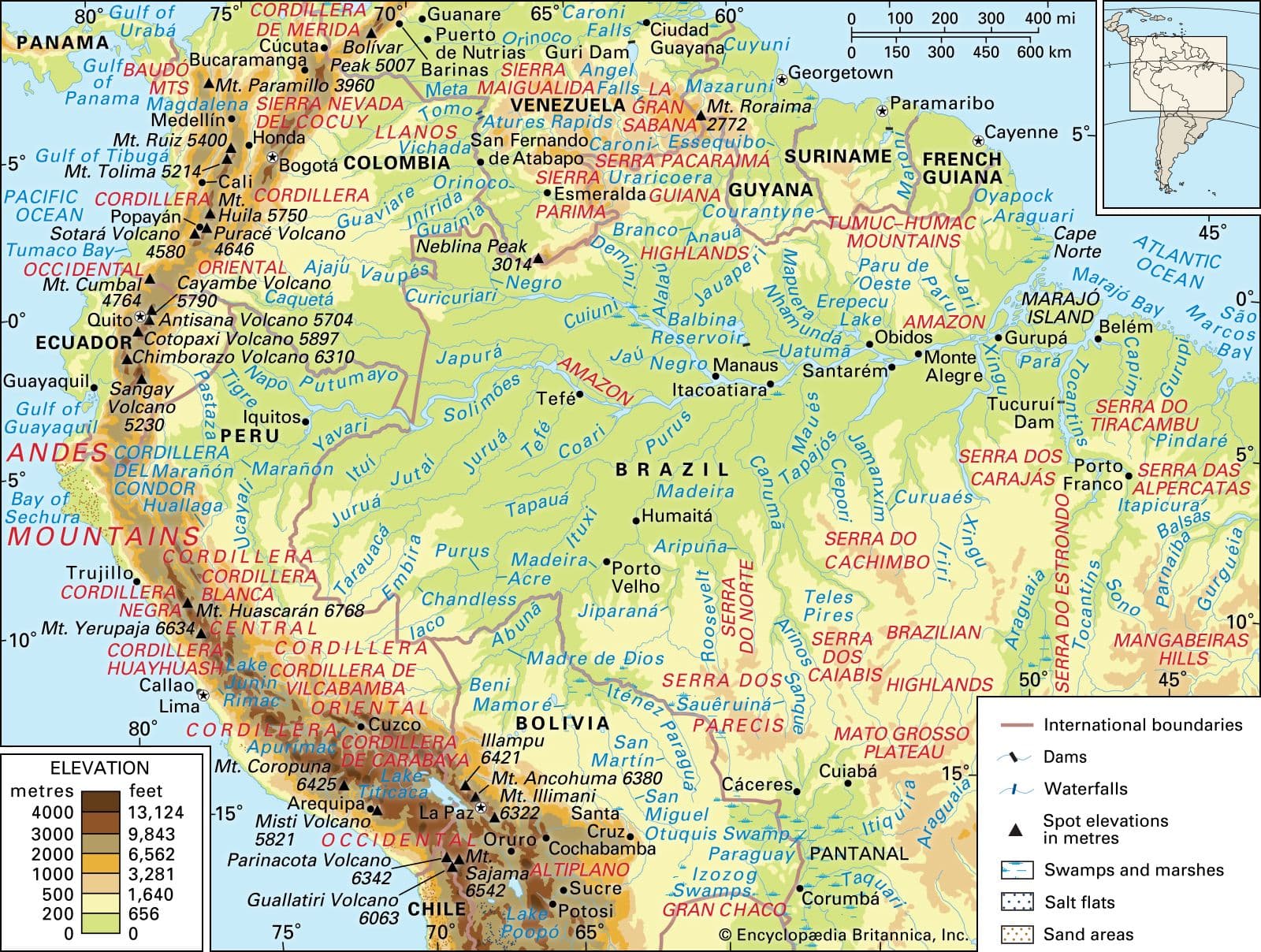
The rugged South American ranges where the Inca engineered terraced microclimates to cultivate thousands of potato varieties.
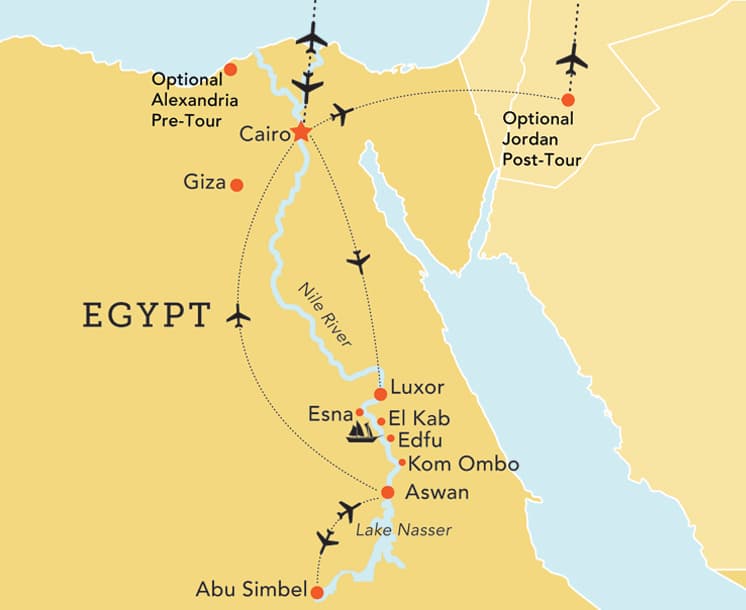
The hyper-predictable flood basin that sustained ancient Egypt through sustainable, massive-scale basin irrigation.
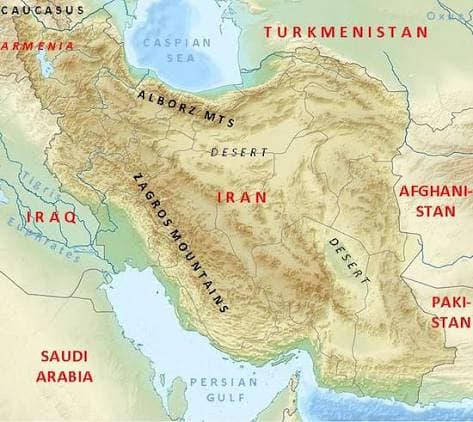
The arid origin point of the Qanat system, demonstrating unparalleled ancient groundwater engineering.
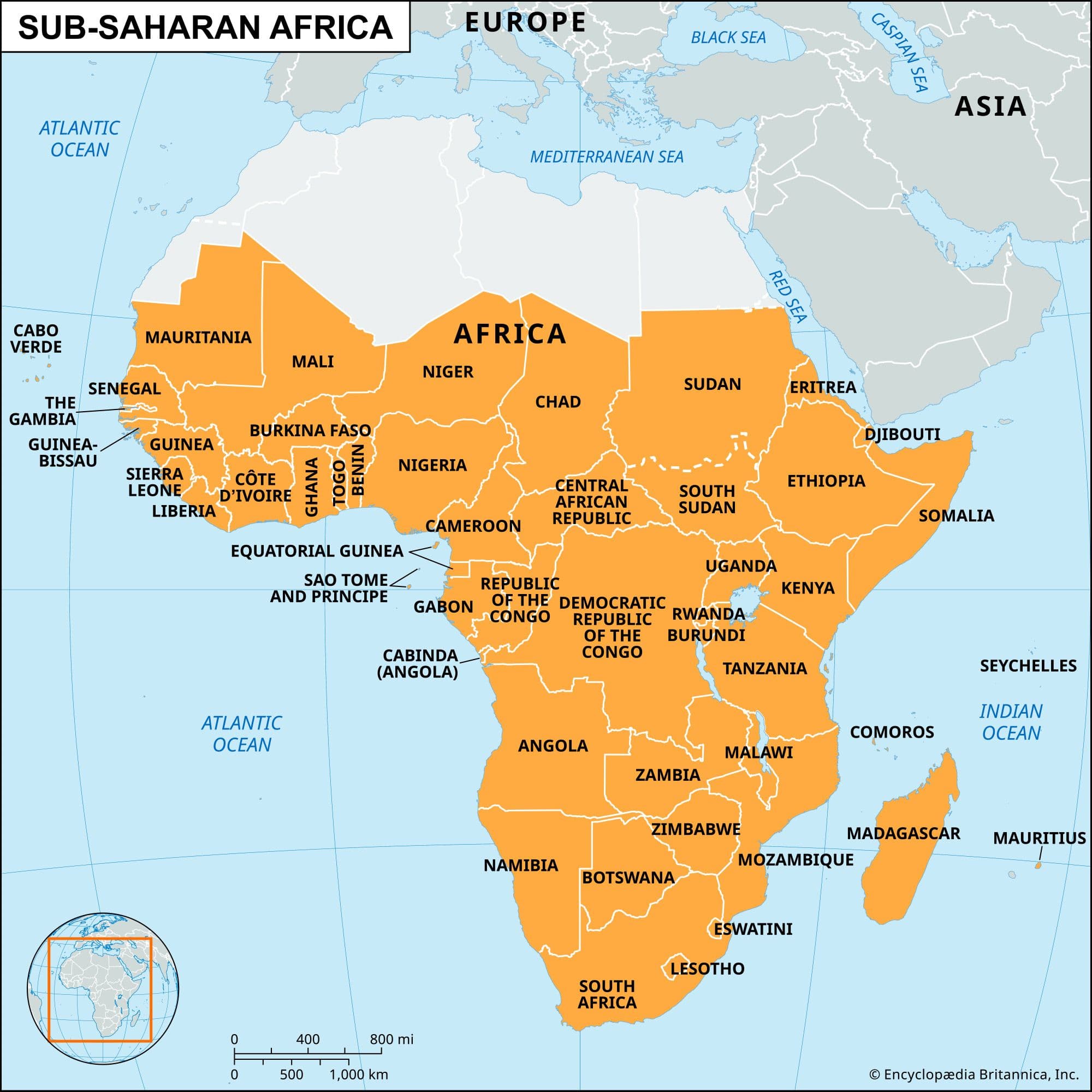
The vast agricultural zones responsible for the domestication of sorghum, pearl millet, and African rice.
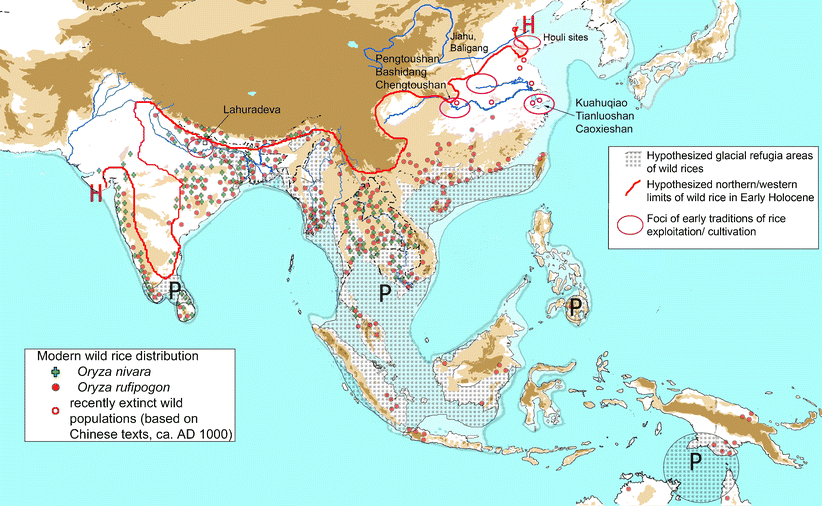
The Yangtze and Yellow River basins, charting the domestication of rice, soybeans, and advanced aquaculture.
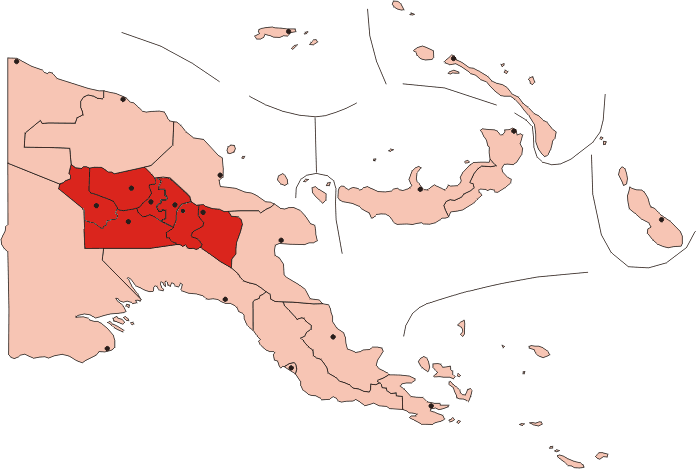
One of the world's earliest and most independent centers of plant domestication, home to taro, banana, and sugarcane.
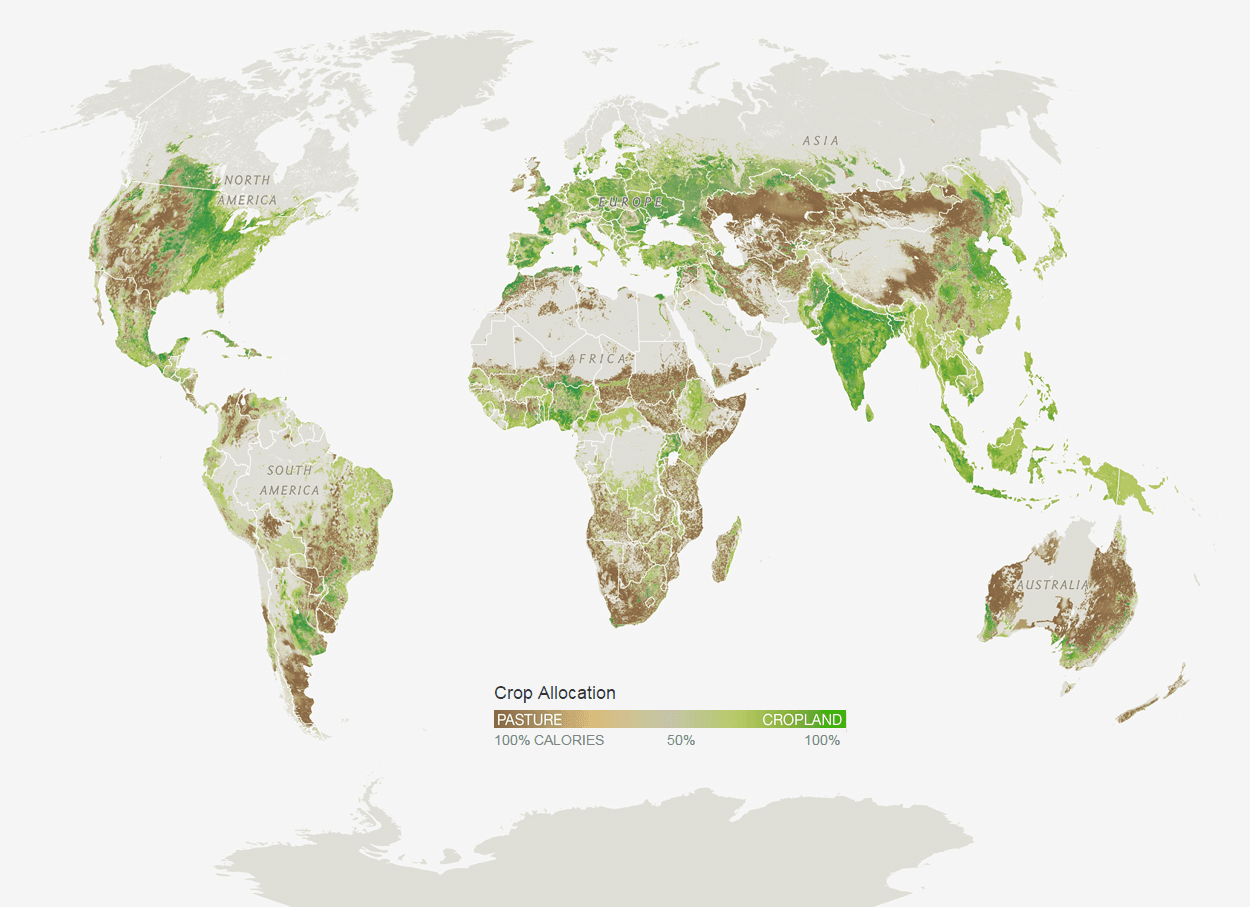
Practices, concepts, and technologies that apply uniformly across the globe, unbounded by specific regional origins.
Curated knowledge paths for deeper understanding.
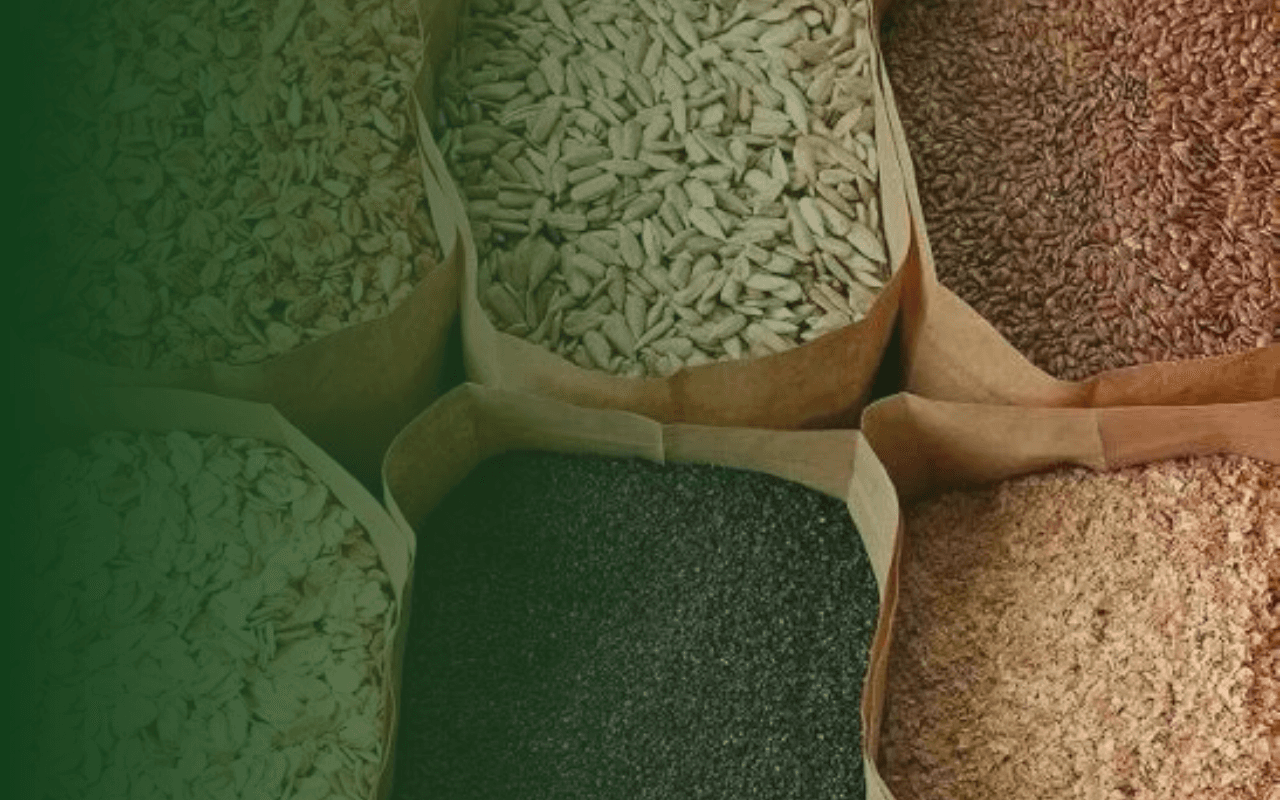
Explore foundational cereals that birthed early civilization, from the Fertile Crescent to the Andes.
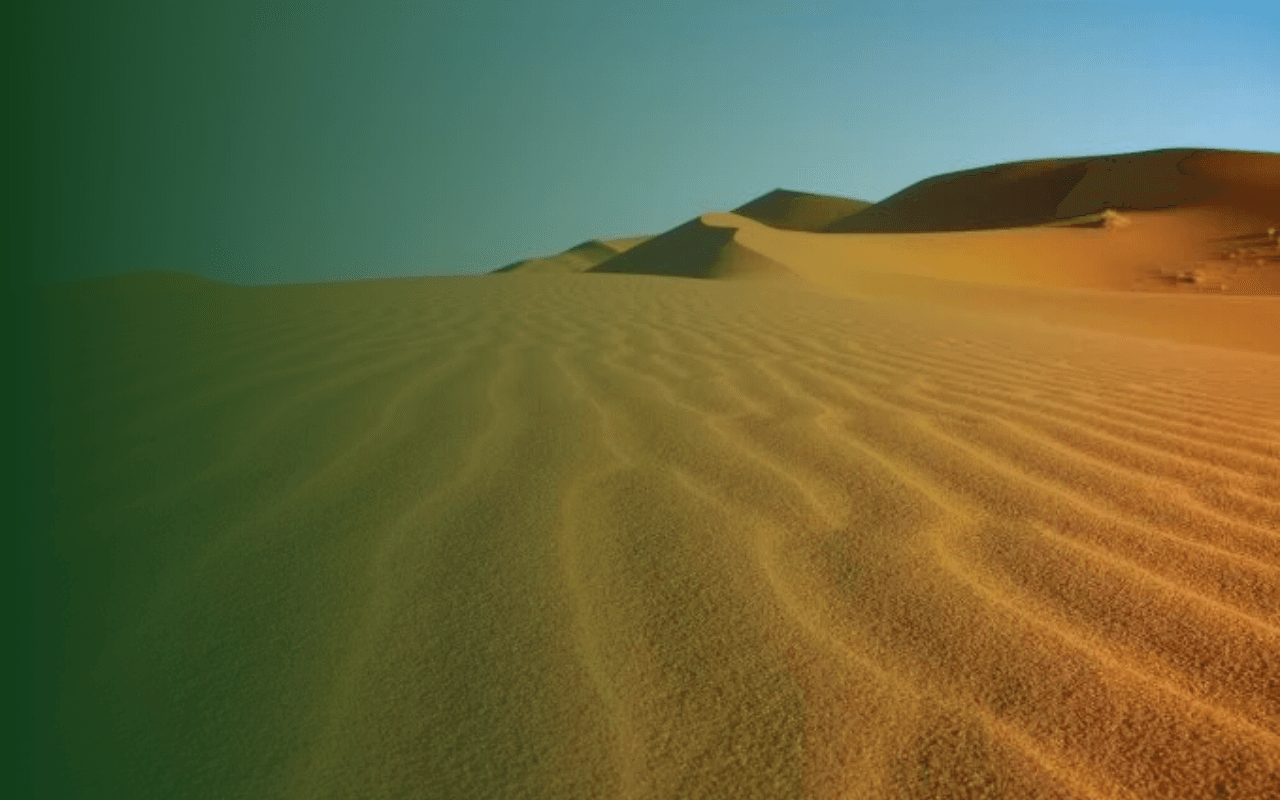
How ancient engineers and modern farmers conquered water-scarce environments.
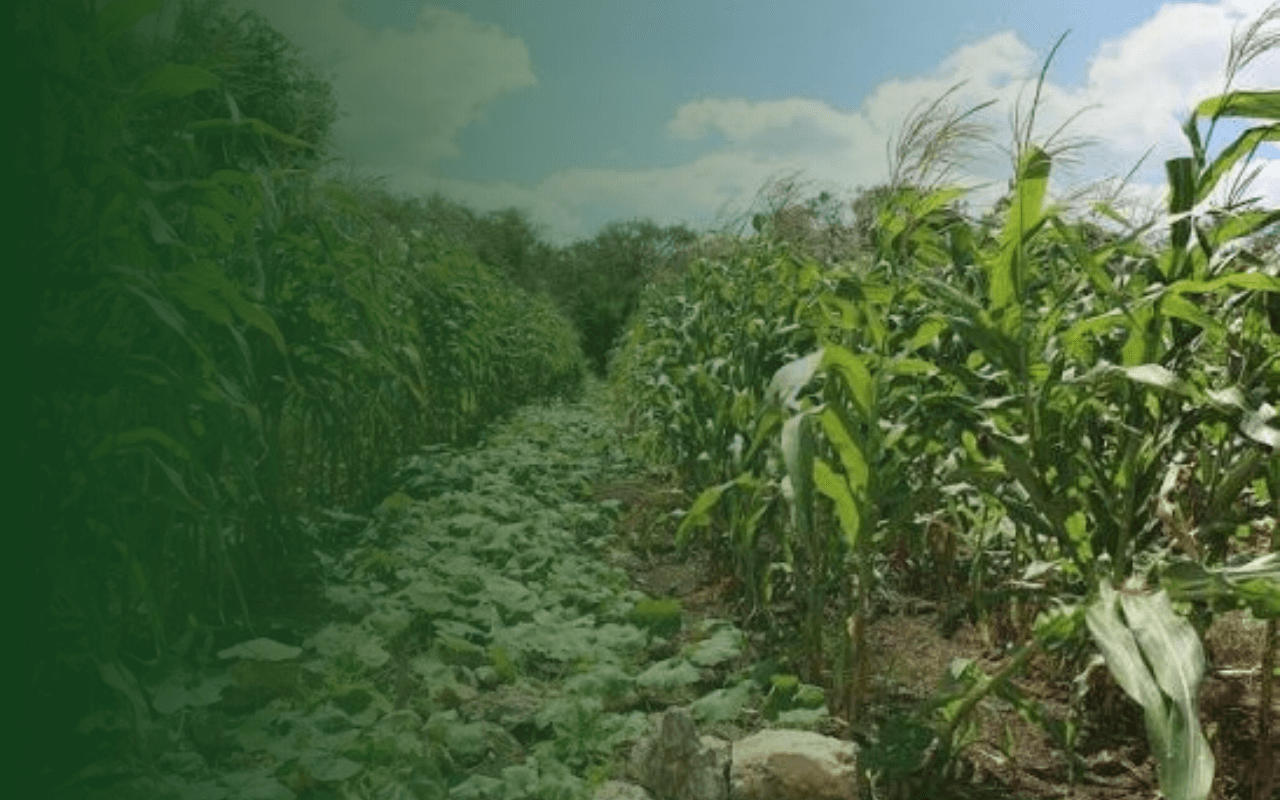
A deep dive into resilient, productive polyculture systems native to the Americas.
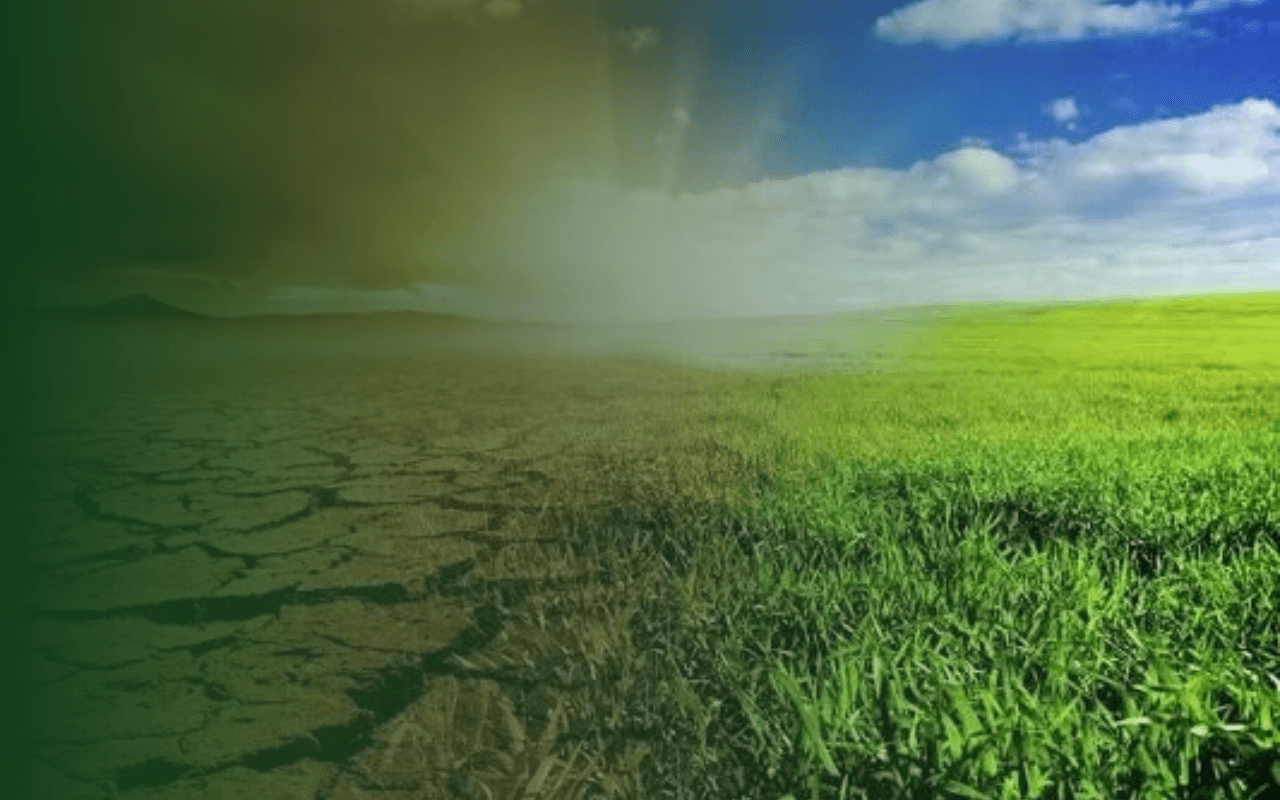
Techniques and genetic adaptations designed to secure food production amidst shifting global climates.
Guided journeys through the evolution of ideas, systems, and technologies.
Follow the transition from mobile hunter-gatherers to permanent agricultural civilization.
Trace rice from its early cultivation through irrigation, expansion, and industrial agriculture.
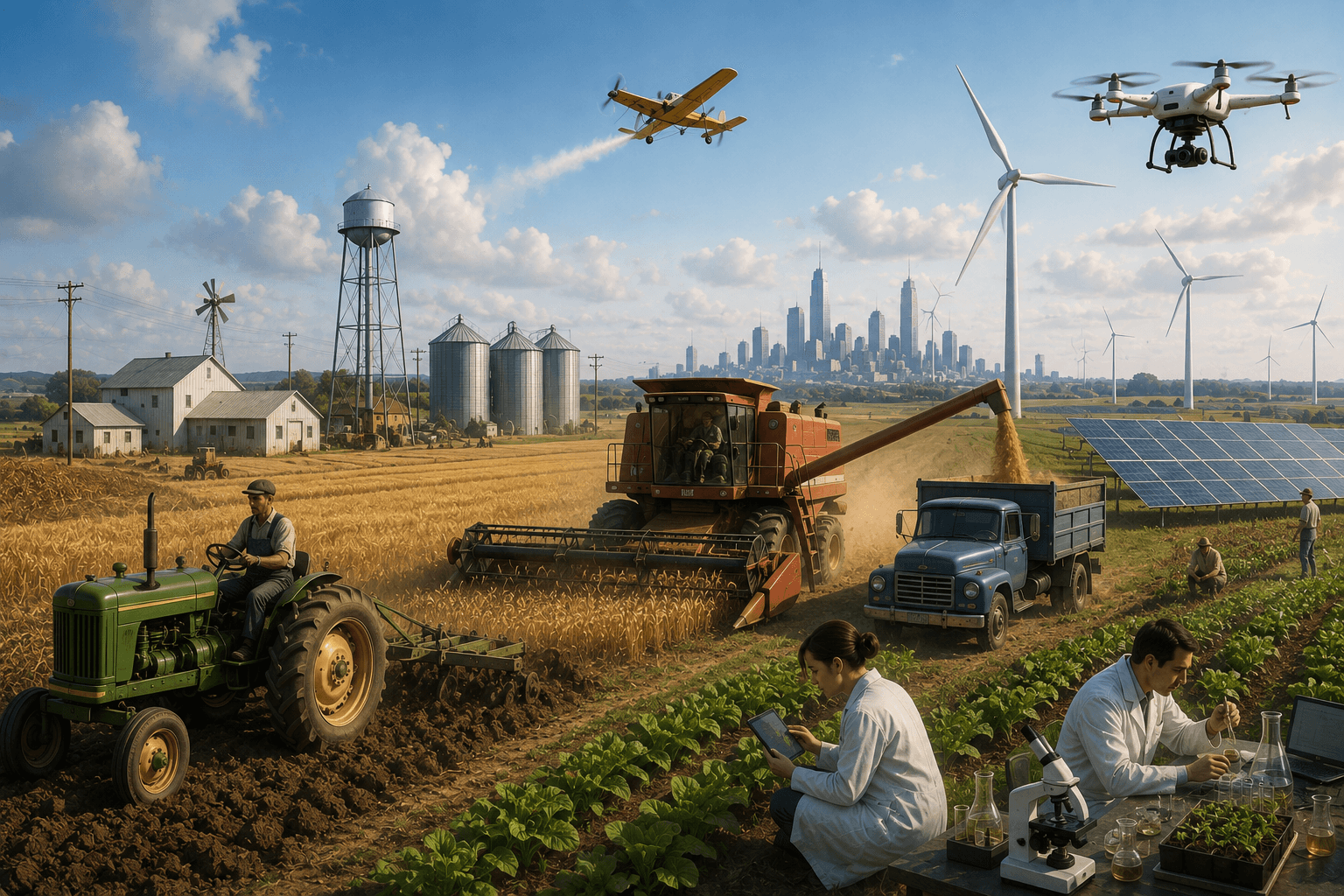
Explore the technological transformation of agricultural machinery.
Explore how the world's greatest civilizations engineered their landscapes to sustain power, population, and progress.
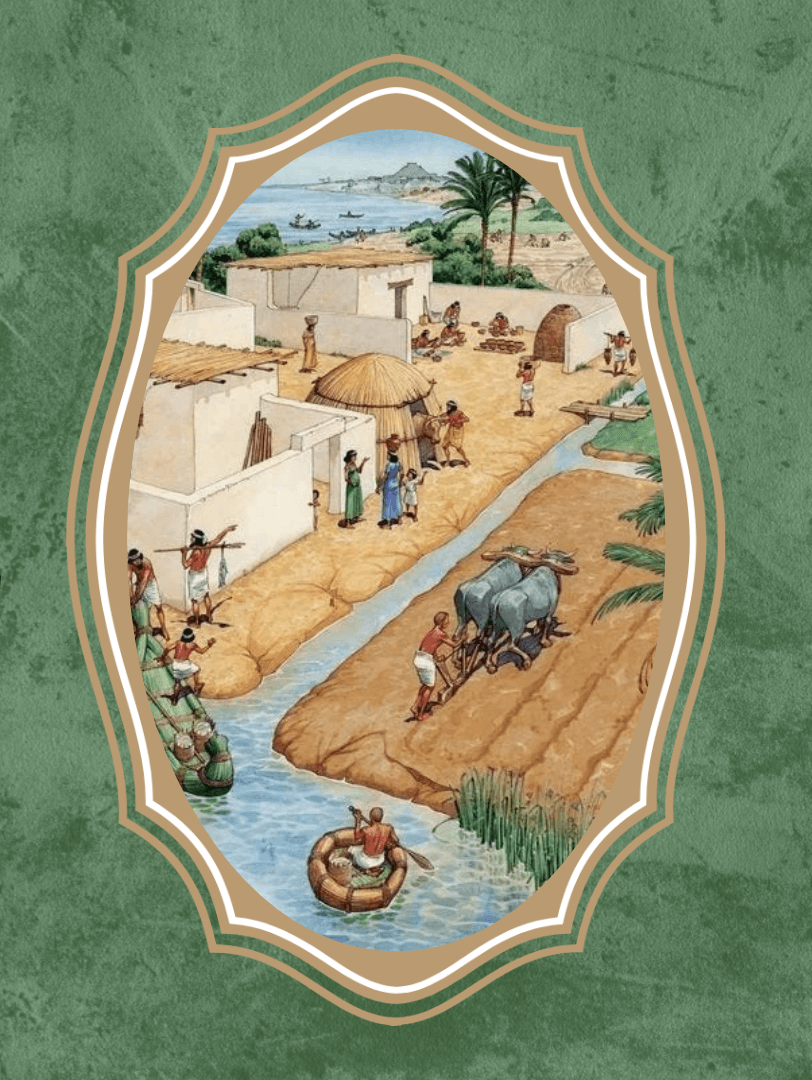
The Tigris-Euphrates city-states that pioneered the plough, the granary, and written agricultural law.
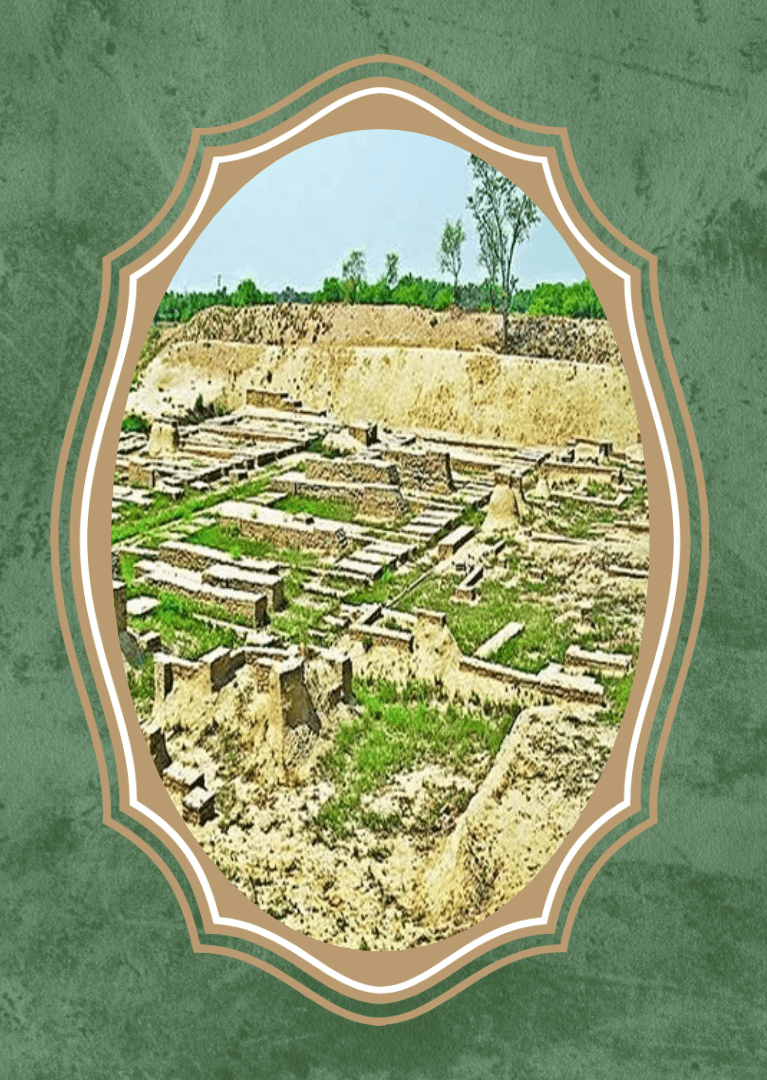
A Bronze Age civilization notable for its planned granaries and sophisticated flood-plain cultivation.
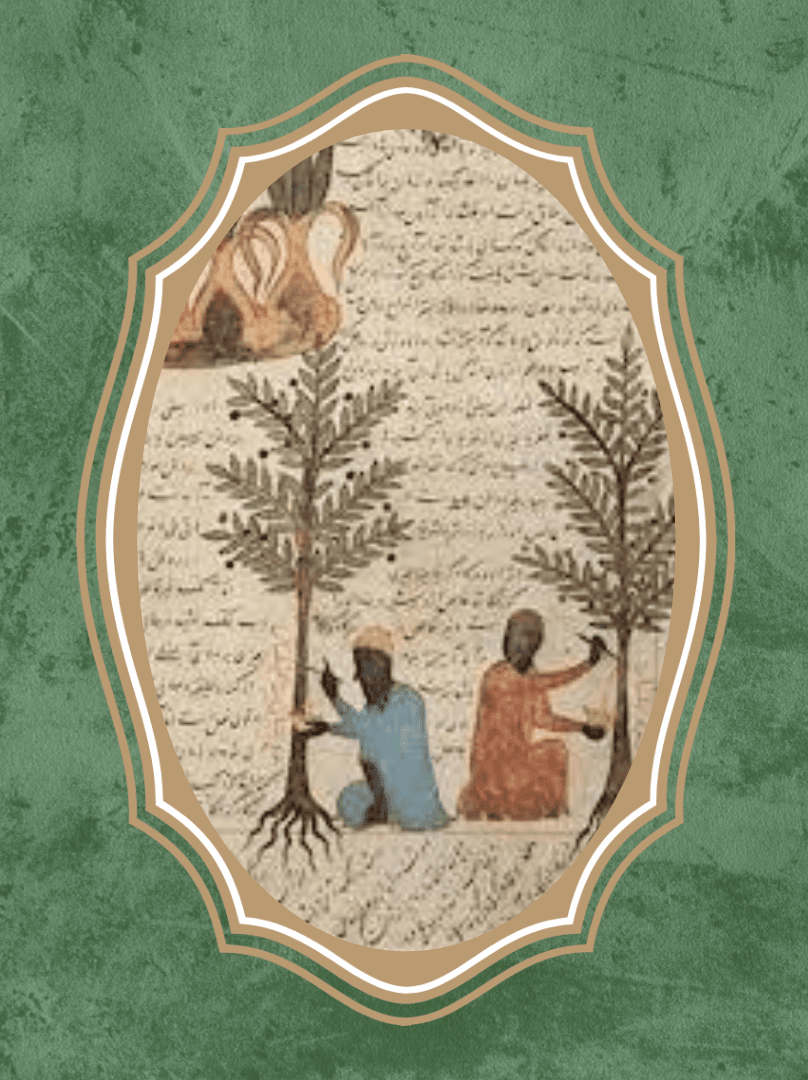
A network of medieval states that diffused crops, irrigation science, and agronomic texts across three continents.
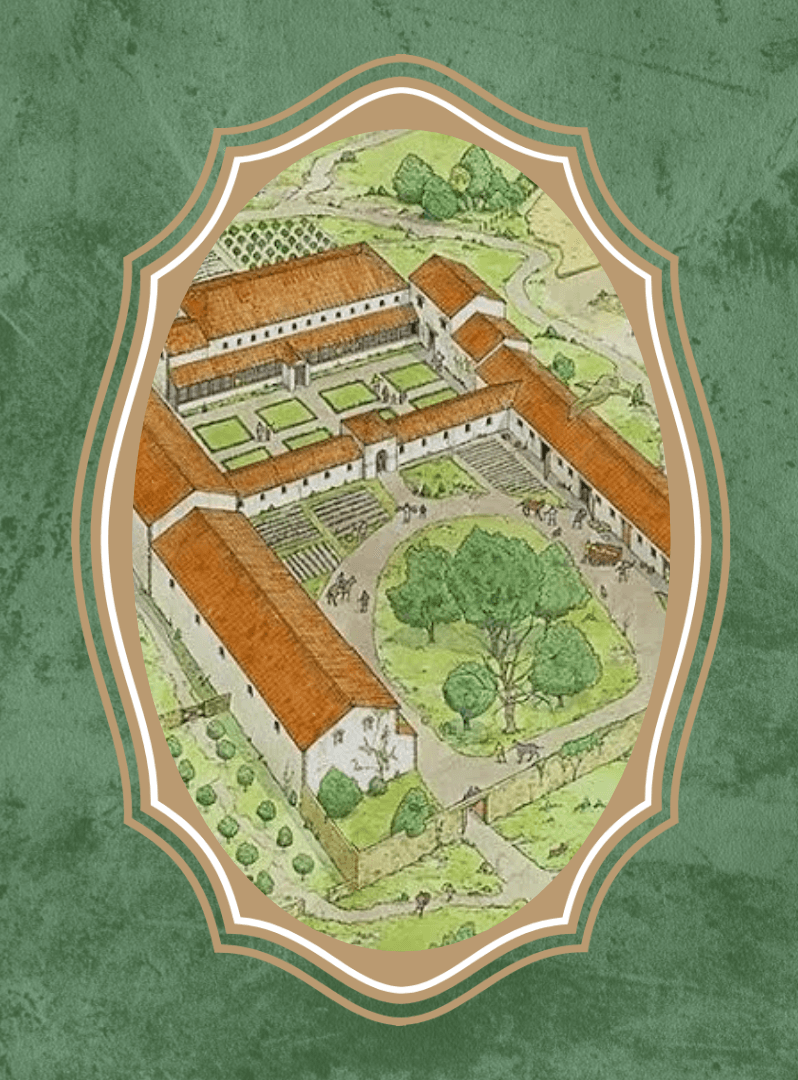
A Mediterranean superpower whose estate farming, agronomic treatises, and grain logistics fed a continent.
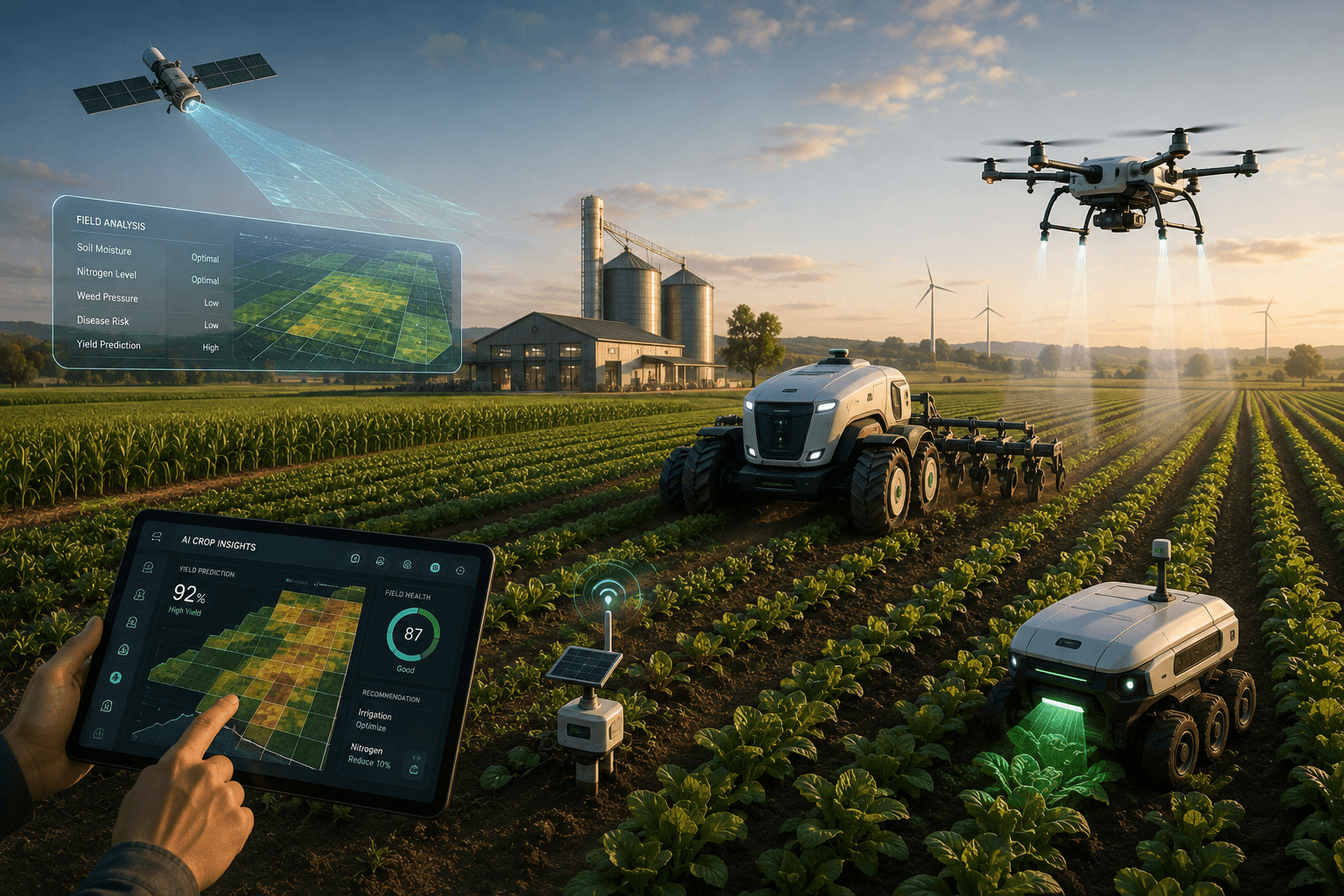
From intelligent machines to genomic breakthroughs, explore where the cultivation of our planet is heading next.
Predictive yield models and computer vision engines.
CRISPR adaptations and microbiome engineering.
Vertical farming, hydroponics, and urban food security.
Macro-level monitoring via orbital imaging and spectral analysis.
Nanotech filtration and AI micro-irrigation hardware.
Cultivating food in zero-gravity and Martian soil simulants.
Agriculture is more than the cultivation of crops. It is a record of human civilization, our relationship with land, water, climate, animals, technology, and one another.
Mihrath exists to preserve that knowledge, connect it across time and geography, and make it accessible to the generations that come after us.