Historical Powers
Agriculture cannot be separated from statecraft. Explore how the world's greatest empires engineered their landscapes, managed resources, and drove agronomic innovation to sustain their power.
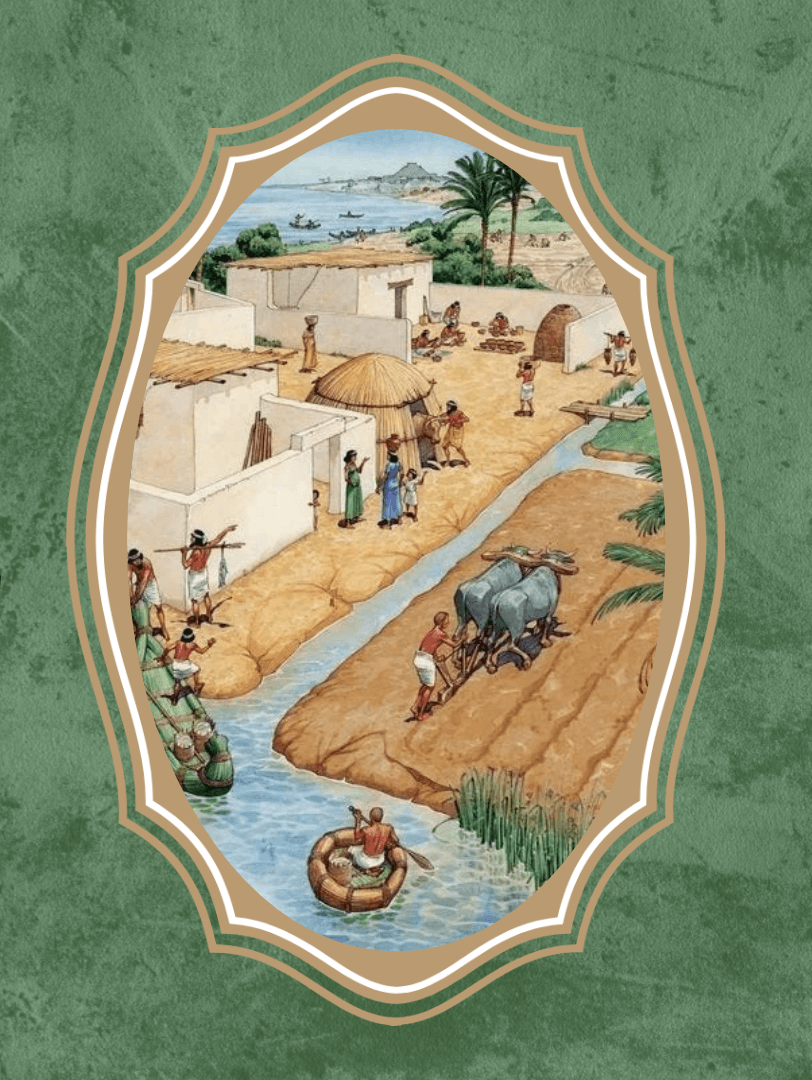
Mesopotamia
The Tigris-Euphrates city-states that pioneered the plough, the granary, and written agricultural law.
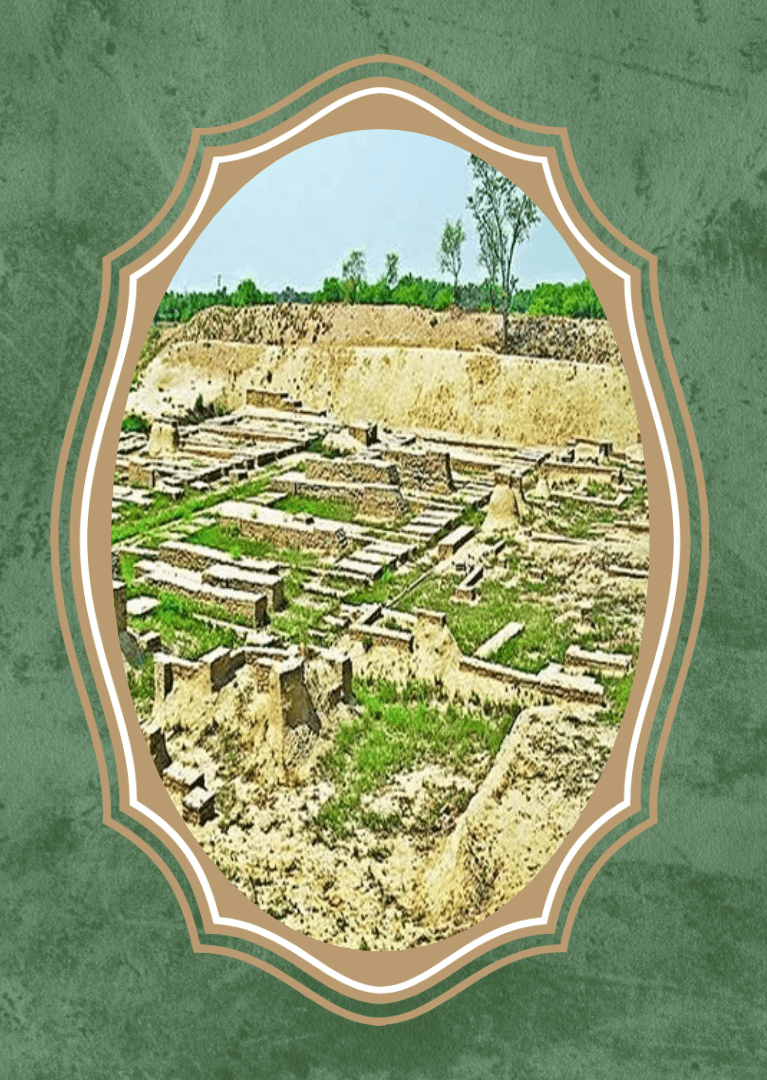
The Indus Valley Civilization
A Bronze Age civilization notable for its planned granaries and sophisticated flood-plain cultivation.
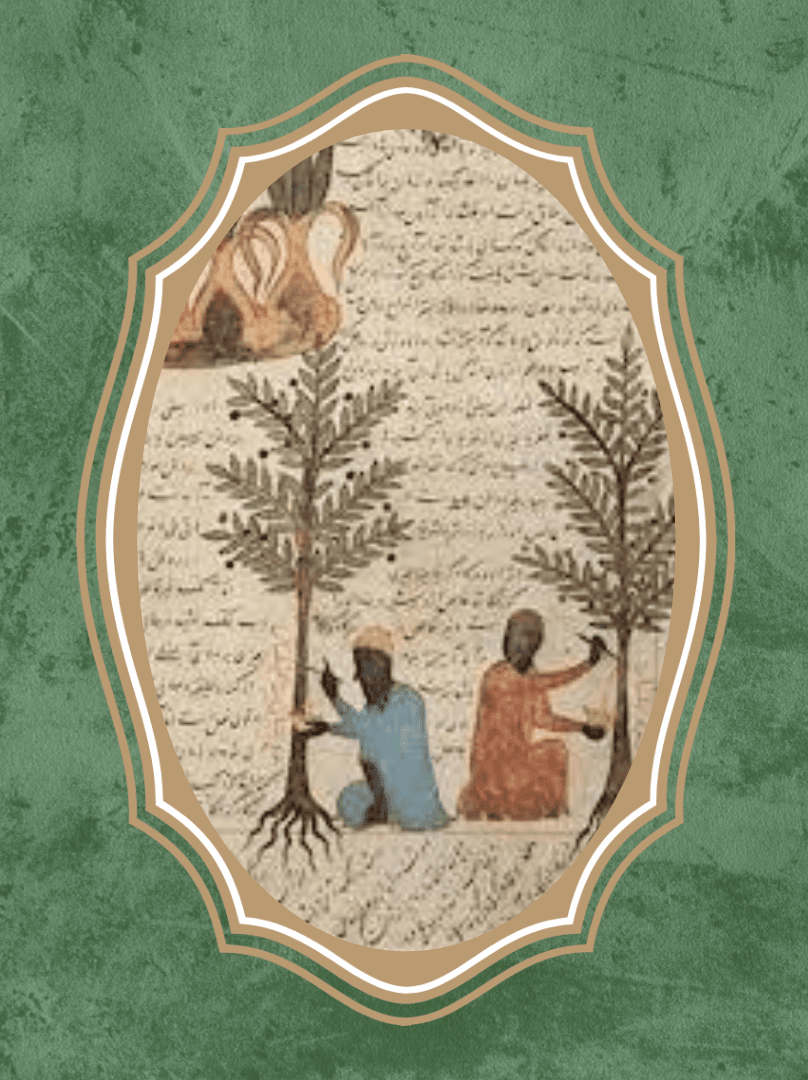
The Islamic Caliphates
A network of medieval states that diffused crops, irrigation science, and agronomic texts across three continents.
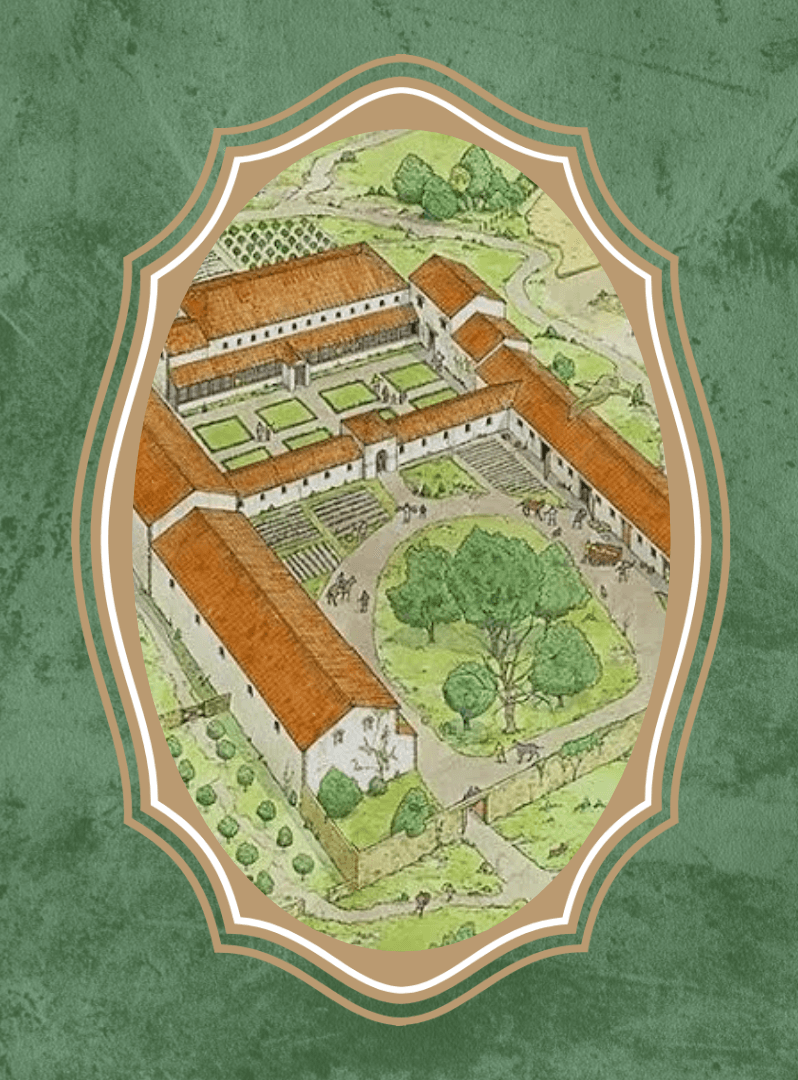
The Roman Empire
A Mediterranean superpower whose estate farming, agronomic treatises, and grain logistics fed a continent.
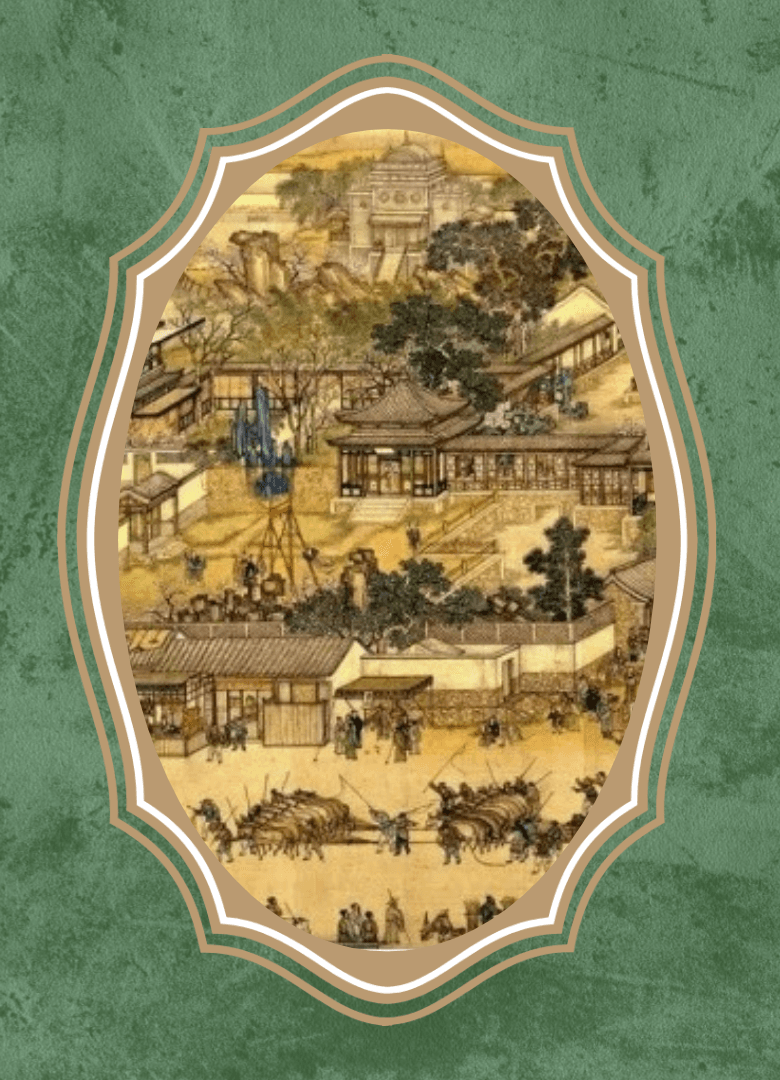
The Han Dynasty
An East Asian empire that formalized agronomy as state science, expanding irrigation and iron tools across China.
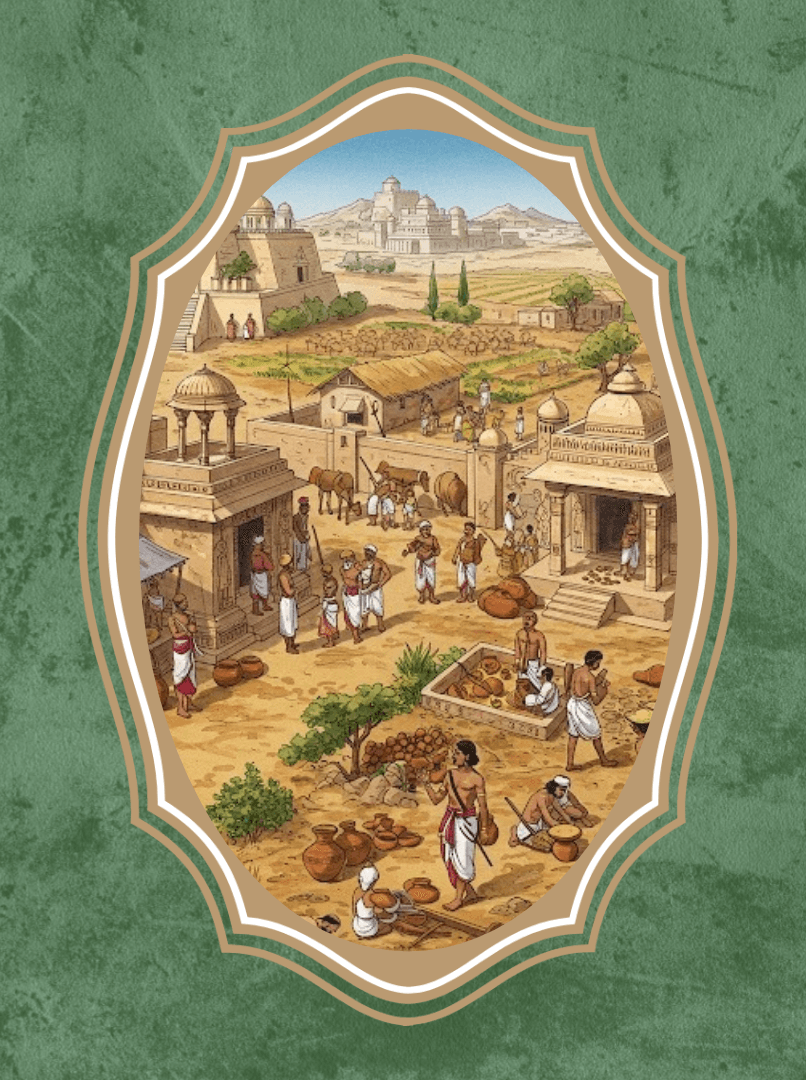
The Mauryan Empire
An early South Asian empire with detailed administrative records of irrigation works and agricultural taxation.
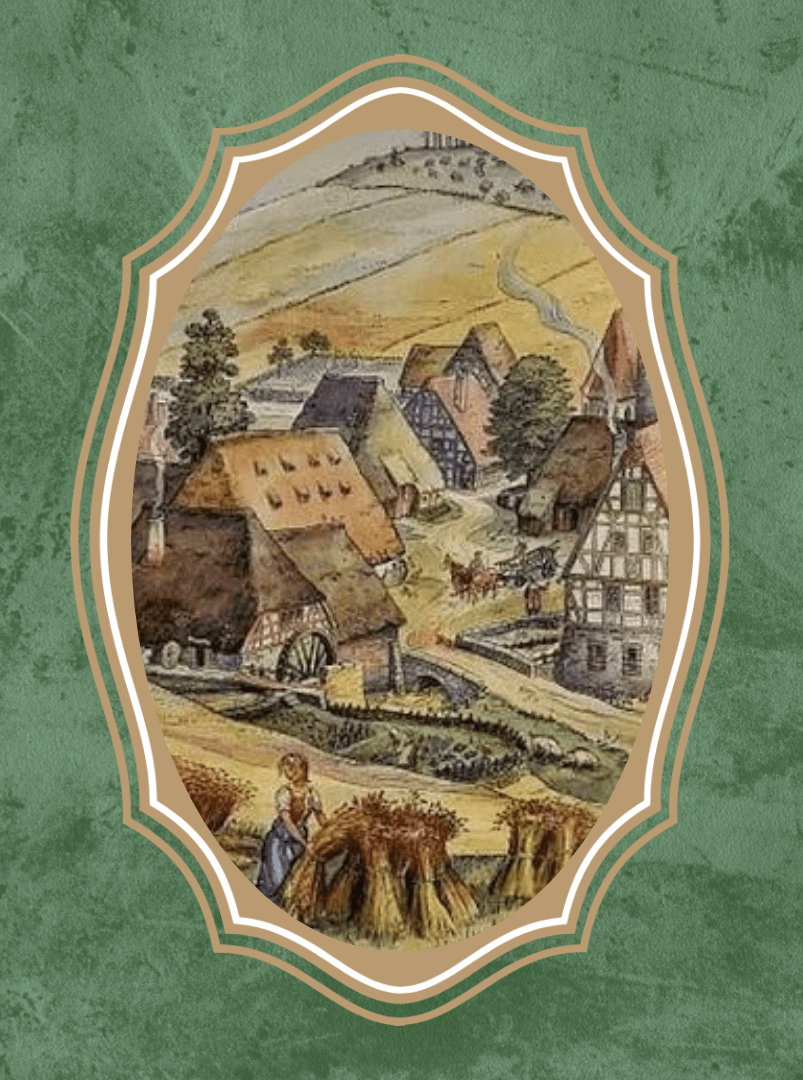
Medieval Europe
A feudal patchwork of manors that developed crop rotation and heavy-plough farming for dense northern soils.
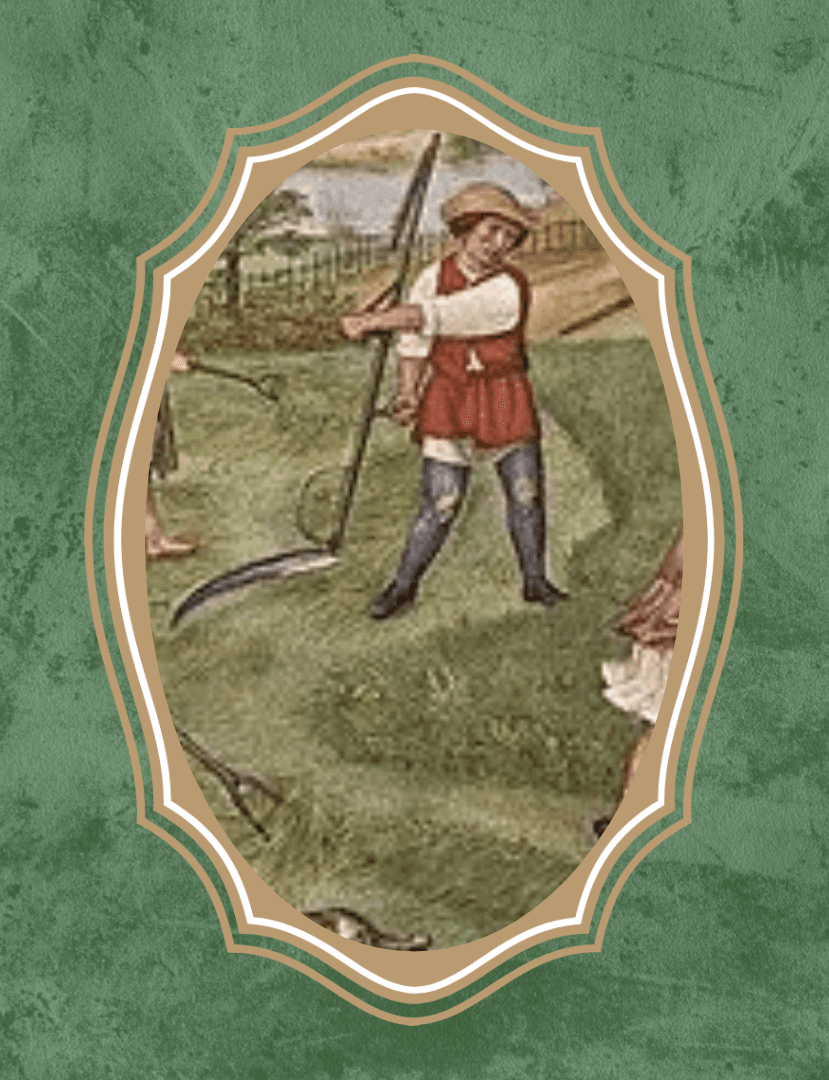
The British Empire
The imperial power at the center of the Industrial Agricultural Revolution and the global commodity trade.
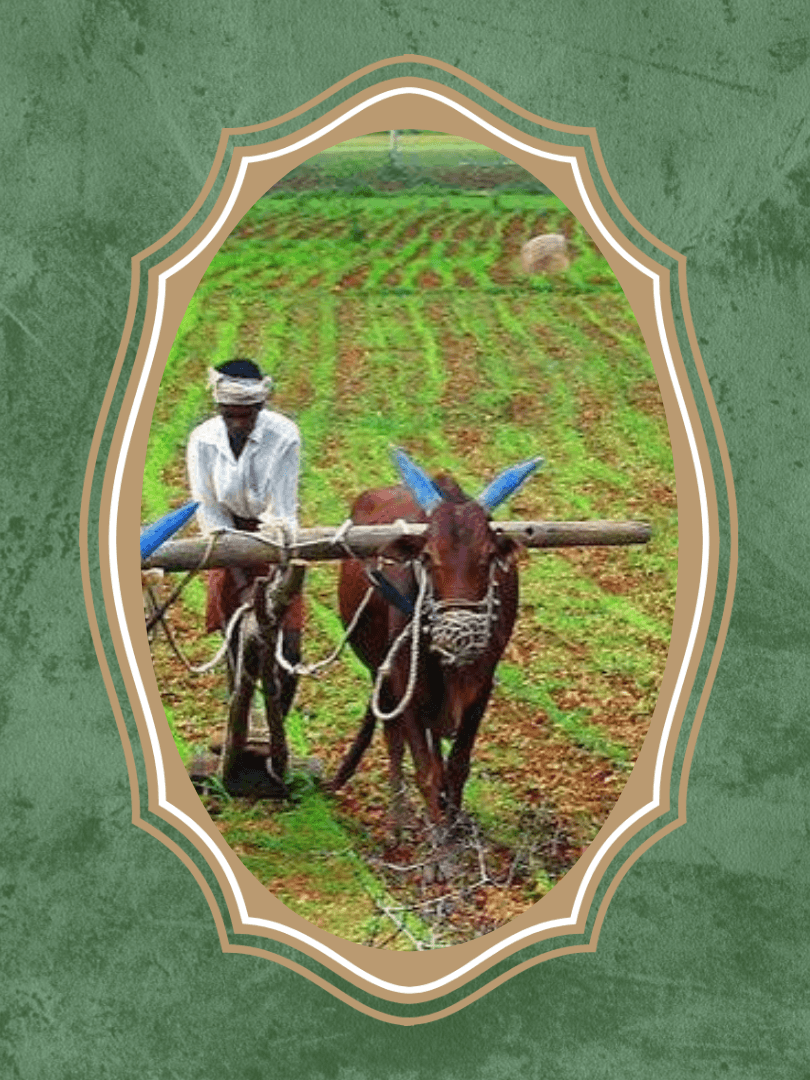
Modern India
A nation whose adoption of high-yielding varieties in the 1960s reshaped global food security.
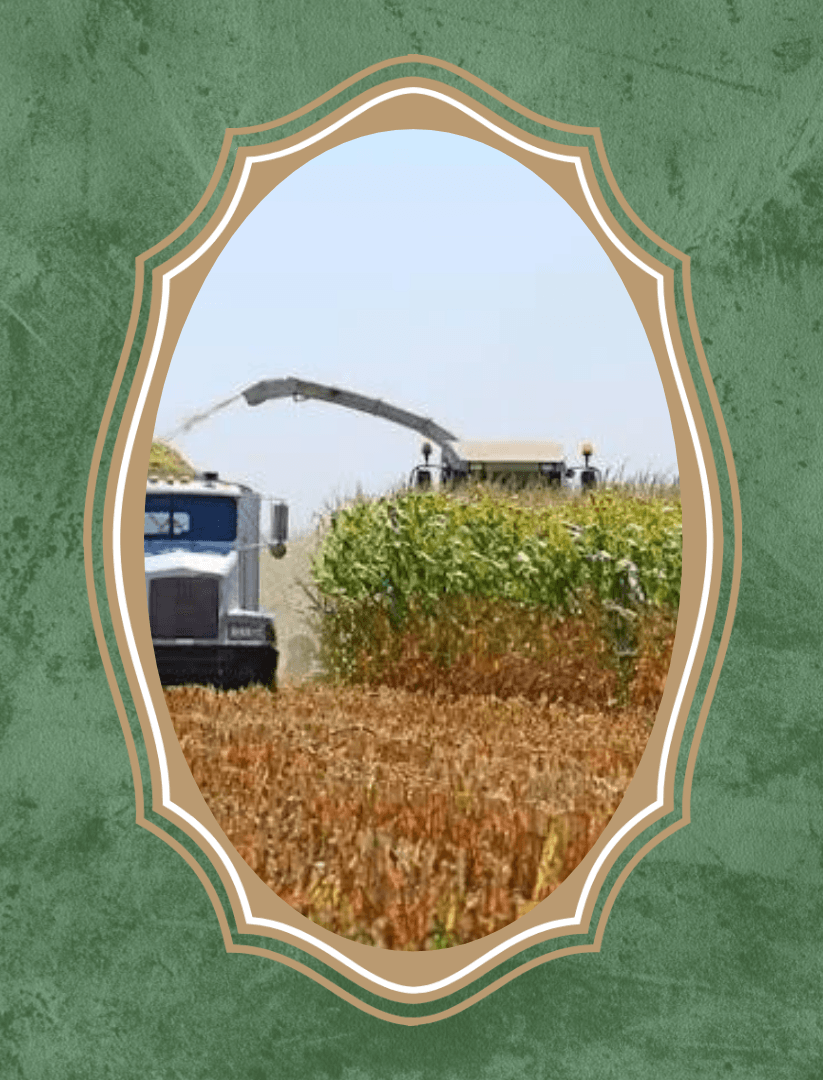
North America
The continent where mechanized, capital-intensive farming reached its most extreme expression of scale.