Biofortification: The Golden Rice Project
A genetically modified strain of Oryza sativa engineered to biosynthesize beta-carotene, designed as a public health intervention to combat severe Vitamin A deficiency in developing nations.
Historical Overview
The Public Health Crisis: Vitamin A Deficiency (VAD)
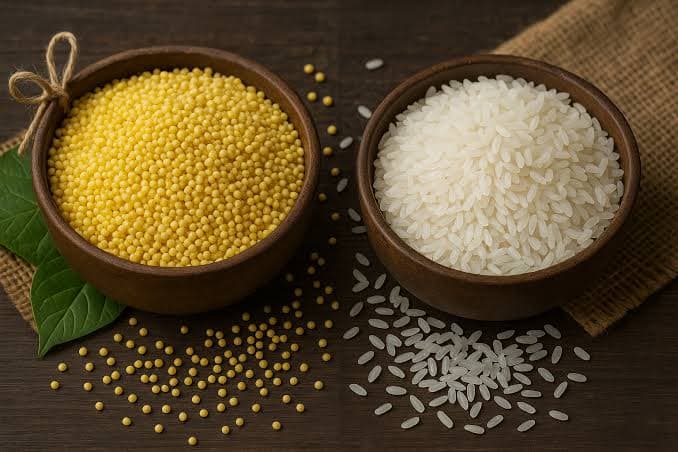
In many regions of Southeast Asia and Sub-Saharan Africa, white rice (Oryza sativa) constitutes up to 70% of the daily caloric intake. While highly efficient in providing energy, the milled rice endosperm (the starchy part consumed by humans) completely lacks provitamin A (beta-carotene). This dietary reliance has historically led to widespread Vitamin A Deficiency (VAD).
VAD is a catastrophic public health crisis, historically causing hundreds of thousands of cases of irreversible childhood blindness annually and severely compromising the immune systems of millions more, leading to increased mortality from otherwise preventable diseases like measles. Traditional interventions, such as vitamin supplement distribution programs, often fail to reach remote rural populations consistently.
The Genetic Engineering Breakthrough
Conceived in the late 1990s by Ingo Potrykus and Peter Beyer, Golden Rice was developed not to increase agricultural yield, but specifically to address this nutritional deficit through biofortification. Because the rice plant naturally produces beta-carotene in its leaves (for photosynthesis) but shuts down the pathway in the endosperm, researchers needed a way to reactivate this biosynthesis in the edible grain.
The engineering required splicing two specific genes into the rice genome:
- psy (phytoene synthase): Originally sourced from the daffodil (and later improved by using a gene from maize), this enzyme acts as the critical catalyst to restart the beta-carotene production pathway.
- crtI (carotene desaturase): Sourced from the soil bacterium Erwinia uredovora, this gene completes the biochemical chain, resulting in the accumulation of beta-carotene, which gives the engineered rice its distinctive golden-yellow hue.
Regulatory Landscape and Future Horizons
Despite its humanitarian intent—and the fact that the creators licensed the technology freely for subsistence farmers—Golden Rice faced decades of fierce opposition. Anti-GMO advocacy groups heavily protested its deployment, citing fears over corporate control of seed supplies, ecological contamination, and the unproven long-term health effects of transgenic crops.
However, recent milestones have validated the technology's safety and efficacy. By the 2020s, countries like the Philippines officially approved Golden Rice for commercial propagation, marking a watershed moment in agricultural biotechnology. As we move deeper into the 21st century, the Golden Rice project serves as the foundational blueprint for a new era of biofortification—where crops like iron-enriched beans and zinc-fortified wheat are being developed to passively solve global malnutrition through the seeds themselves.