Einkorn Wheat (Triticum monococcum)
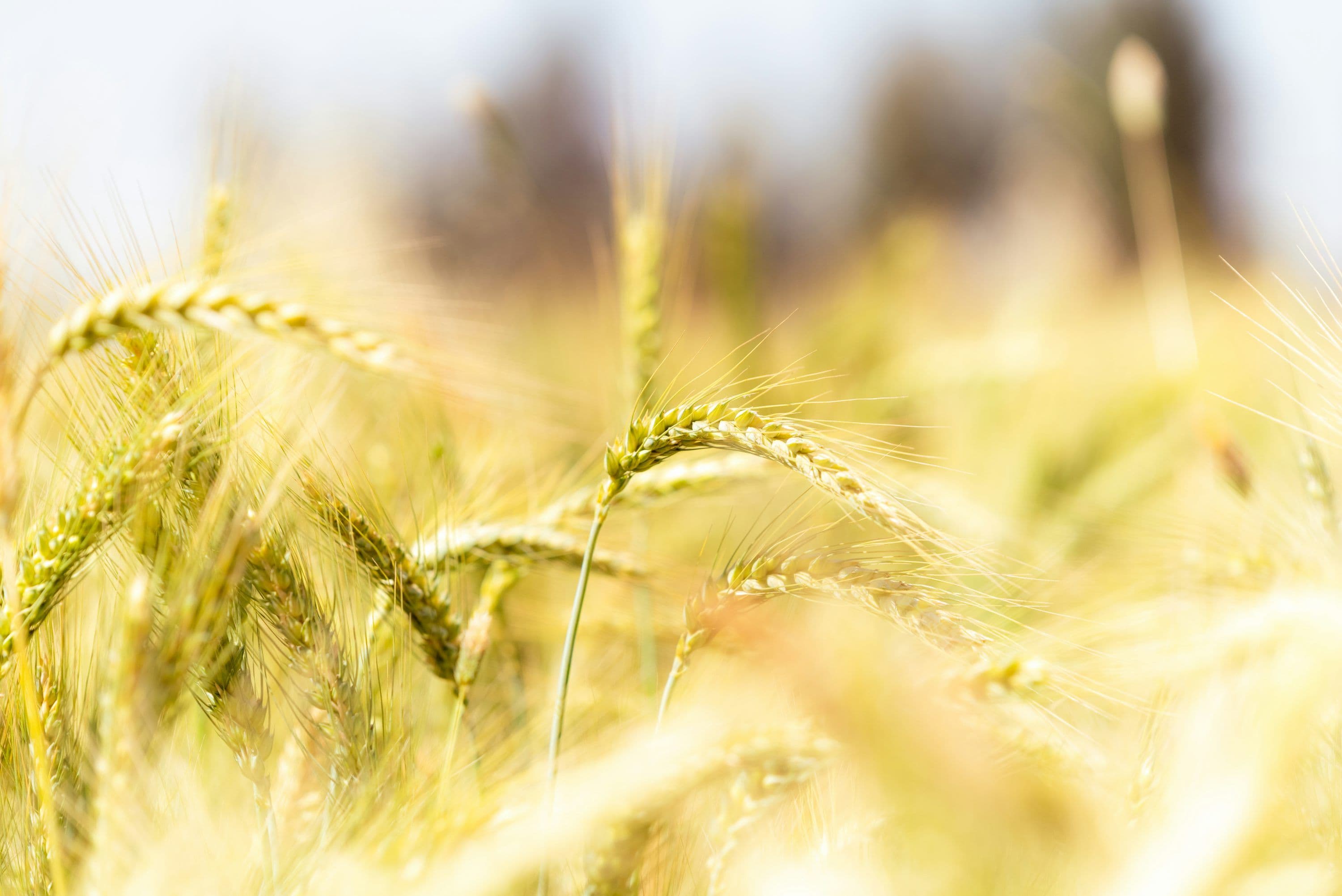
One of the earliest cultivated forms of wheat, domesticated in the Fertile Crescent. A diploid ancient grain noted for its ability to survive in marginal, nutrient-poor soils.
Historical Overview
The Dawn of Domestication: The Karaca Dağ Origins
Einkorn (meaning "single grain" in German) represents one of the foundational pillars of the Neolithic Revolution. Genetic tracing indicates that wild einkorn (Triticum boeoticum) was first domesticated around 10,000 BCE near the Karaca Dağ mountains in southeastern Turkey, within the upper reaches of the Fertile Crescent. Unlike modern hexaploid bread wheats, which possess six sets of chromosomes, einkorn is a diploid species with only two sets, making its genetic structure relatively simple and largely untouched by modern hybridization.
The domestication process was driven by human selection for a non-shattering rachis—a mutation where the seed head remains intact during harvest rather than shattering and scattering its seeds upon the wind. This fundamental alteration made einkorn entirely dependent on human intervention for propagation.
Agronomic Characteristics and Marginal Survivability
While modern agronomists largely abandoned einkorn due to its low yield and the difficulty of removing its tightly bound husk (the glume), the crop possesses extraordinary survival characteristics. It is highly resistant to many fungal diseases, including various rusts, that decimate modern wheat monocultures. Furthermore, einkorn thrives in marginal, rocky, and nutrient-poor soils where highly bred wheat varieties would fail entirely.
Nutritional Profile and Modern Resurgence
In the 21st century, einkorn is experiencing a renaissance among artisanal bakers and nutritional scientists. Because it was never hybridized with goat grass (the event that introduced the D genome and highly elastic gluten to modern wheat), einkorn possesses a different gluten structure. While it still contains gluten and is not safe for individuals with Celiac disease, its unique protein matrix is often more easily digested by those with mild gluten sensitivities. Additionally, it has a significantly higher concentration of lutein, protein, and essential trace minerals than modern commercial wheat.